Case studies

Case studies:
engineered ceramics in operating plants

Documented installations of Blasch parts by industry, each with the plant, what was installed and what changed.

Twenty one installations in refineries, ammonia plants, power plants and melt shops.
Each one with the plant, the part and the result

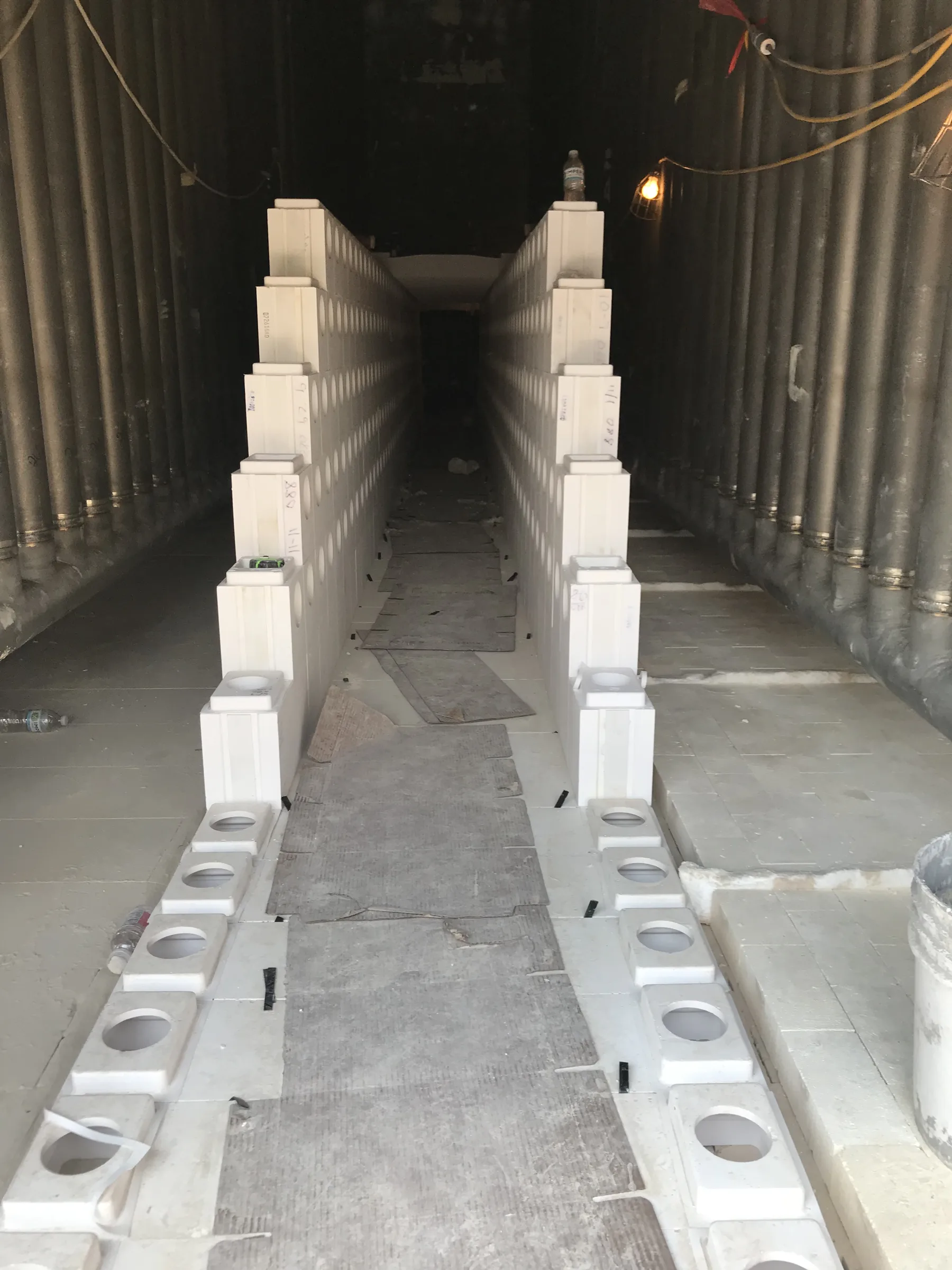
Long precast tunnel wall inside a reformer furnace
In short

Blasch components have proven themselves in operating plants across refining and sulfur recovery, hydrogen and ammonia, sulfuric acid, chemicals and battery materials, power generation and mining, and molten metals. The documented results include the tube temperature spread of a reformer cut in half, incinerator fuel gas cut by almost 50%, a tubesheet fitted in half a shift and an ash line elbow with 2 mm of wear after 30 months. Operators are named by industry and region only.

What these cases have in common

In almost every case the part that failed was built on site from brick, castable or metal, and the fix was a part engineered for that position and cast before the outage began.

Hydrogen and ammonia

Refining and sulfur recovery

Sulfuric acid

Chemicals and battery materials

Power generation and mining

Molten metals

Frequently asked

Questions about the case studies

Why are the plants not named?

Blasch describes operators by industry and region. Partners such as BD Energy Systems, DuPont MECS and Allied Mineral Products are named where they took part.

Where do the figures come from?

From published articles in trade journals and from case studies written with the plants. Each case page names its source and the period behind each number.

Can I talk to someone about a case like mine?

Yes. A Blasch engineer can tell you what was installed, what it took and how it compares with your unit.

Two precast tunnel walls on the floor of a reformer furnace during installation

A failure you already know
in your plant?

Tell us where it fails, what it is made of today and how long it lasts. A Blasch engineer looks for the case closest to yours.

Talk to an engineer Call