Non-ferrous and aluminum

Refractory for molten aluminum,
copper, brass and zinc

Precast, non-wetting ceramic linings and shapes for melting and holding non-ferrous metals.

Aluminum, zinc and copper alloys do not just melt refractory.
They wet it, soak into it and grow through its joints.

Ceramic channel lining for a furnace inductor
In short

Refractory works in molten aluminum, copper and zinc when the metal does not wet it and it survives constant thermal cycling: non-wetting oxide and nitride bonded silicon carbide (OXYTRON, NITRON), aluminum titanate and ultra high alumina are the materials Blasch uses for these metals. They come as precast parts, among them CeraLoop channel furnace linings for copper, brass, zinc and aluminum, ALRAM ultra high alumina backup ram for induction furnaces, and holders and supports for heating elements. Fewer joints and a fired hot face leave the metal fewer ways into the lining.

How non-ferrous metals attack a lining

Wetting and buildup: molten aluminum sticks to many refractories. Oxide and corundum grow on the surface, narrow channels and have to be broken out.

Penetration: metal and zinc vapor move into pores and joints. In a channel furnace for leaded brass, zinc vapor had cut inductor life by up to 90%, and several castables and dry vibes did not change that.

Erosion and cracking: flowing metal in the channel of an inductor erodes the lining, and thermal cycling at every start opens cracks.

A refractory for these metals has to deal with all three at once, which is why the hot face matters more than the bulk of the lining.

Linings and parts for non-ferrous furnaces

Three products for the furnace itself, from the inductor to the coil to the roof.

Ceramic channel lining for a furnace inductor

CeraLoop channel furnace linings

A fired ceramic channel that goes into the inductor box, with no burnout and no wash heat.

CeraLoop inductor linings
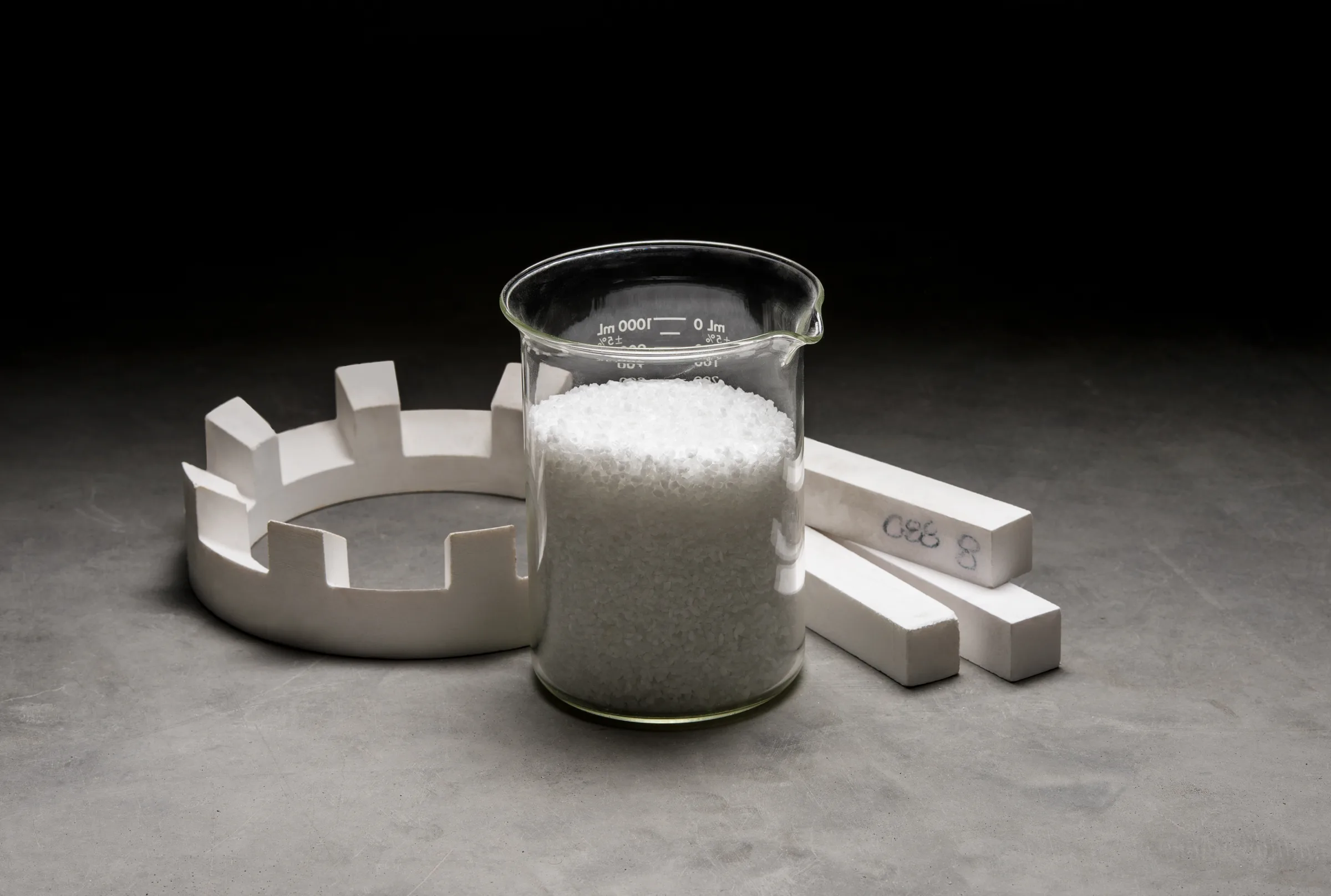
Backup ram mix next to a crucible ring

ALRAM backup ram

Ultra high alumina ramming mixes that pack tight behind induction furnace crucibles.

ALRAM 3030 and 4041
Ceramic heating element holders and insulators

Heating element holders

Net shape holders, supports and hangers for the elements of electrically heated furnaces.

Heating element holders and insulators

Fewer ways in

Non-ferrous metals get into a lining through its pores and its joints, so a lining with a fired, non-wetting hot face and fewer joints simply gives the metal fewer ways in.

Materials for non-ferrous metals

Material Metals Why
OXYTRON oxide bonded SiC Aluminum, zinc Non-wetting in molten aluminum, thermal shock
NITRON nitride bonded SiC Aluminum, copper alloys Non-wetting, thermal shock
Aluminum titanate Aluminum Not wetted, gas tight, very low expansion
Ultra high alumina Brass, copper, zinc, aluminum Dense fired hot face in channel linings

Shapes beyond the furnace

Blasch casts linings for non-ferrous metals from a single 9 in brick shape up to interlocking assemblies, and makes tap blocks, troughs and runners and pump components in the same materials. Parts in contact with the melt in a die casting cell, such as ladles, riser tubes, heater tubes and degassing parts, are grouped under degassing and die casting products.

How CeraLoop performed in a zinc alloy channel furnace is described in the CeraLoop case study for aluminum zinc alloys.

Ceramics for molten metals

Frequently asked

Questions about refractory for non-ferrous metals

What makes a refractory non-wetting to aluminum?

The composition of the ceramic and its bond. Blasch OXYTRON and NITRON silicon carbides and aluminum titanate are formulated so molten aluminum does not wet the surface, without any applied layer.

Can the same lining work for copper and zinc?

Often yes. NITRON and OXYTRON resist copper alloys, zinc and galvalume, and CeraLoop linings are used for copper, brass, zinc and aluminum. The grade is chosen per alloy.

Who supplies CeraLoop linings?

CeraLoop is made by Blasch and distributed exclusively by Allied Mineral Products, which also supplies the backup materials around the loop.

Ceramic heating element holders and insulators

Linings that saturate
or crack too early?

Tell us the metal, the furnace type and how long the current lining lasts. A Blasch engineer proposes the material and the shape.

Talk to an engineer Call