Engineered ceramic solutions

Engineered ceramic solutions
for parts that fail too early

Blasch Precision Ceramics designs and casts ceramic and refractory components in Albany, New York, since 1979.

Tunnels, checkerwalls, ferrules, liners, crucibles and nozzles,
designed for the abrasion, heat or corrosion that wears out your current part.

Precast interlocking tunnel blocks being set inside a reformer furnace
In short

Blasch Precision Ceramics is an advanced ceramics manufacturer in Albany, New York, that engineers and casts custom ceramic and refractory shapes for refining, hydrogen and ammonia plants, sulfur recovery, metal melting, power generation and mining. Each part is designed for one application from its dimensions and operating conditions, so a drawing is not required. Blasch has made these components since 1979 and is certified to ISO 9001:2015.

Since 1979ceramic and refractory components from Albany, New York
ISO 90012015: certified quality system for both US sites
1 oz to 2 tonspart weights from one casting process
No drawing neededour engineers design from your dimensions

Members of the American Ceramic Society, the American Foundry Society, the Investment Casting Institute and the Metal Powder Industries Federation.

Where Blasch parts
do their work

Most of our parts replace a component that fails in the same place every campaign. Start with the process you run, or browse by industry. All applications

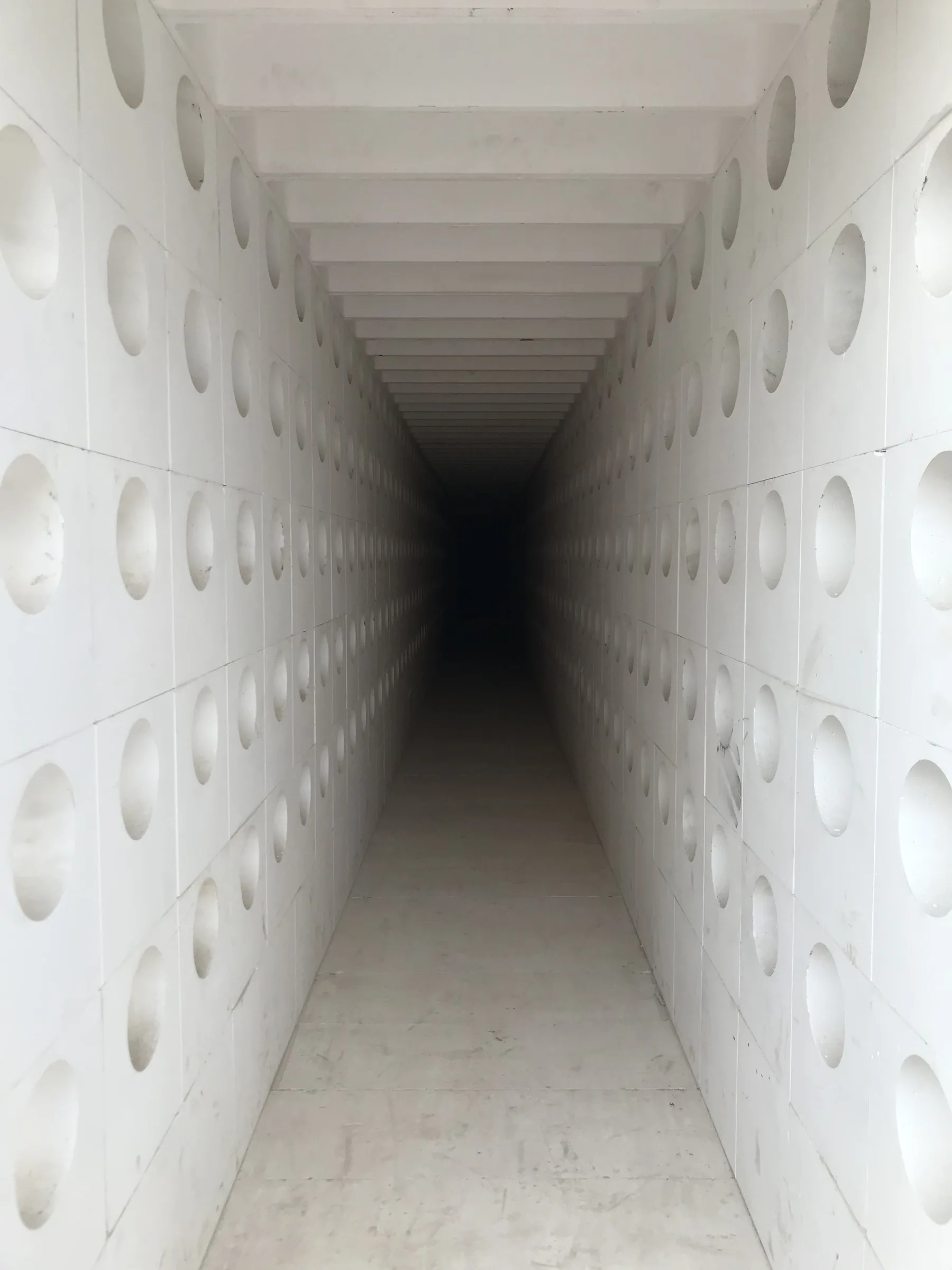
Inside a finished precast flue gas tunnel with rows of round side openings
01

Hydrogen and ammonia reformers

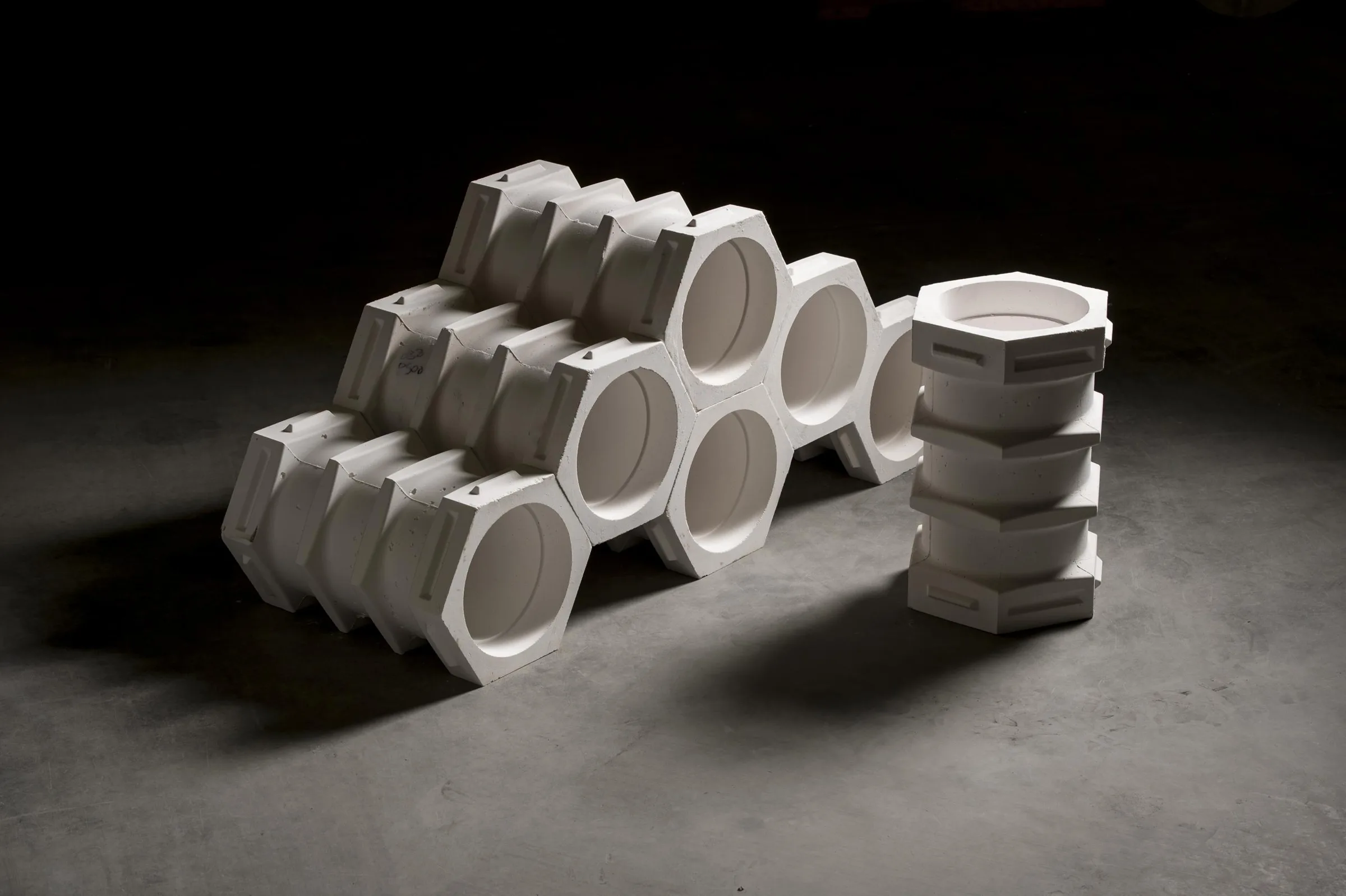
Precast flue gas tunnel systems that go in quickly and keep flue gas flow even across the tube rows.

Hydrogen and ammonia
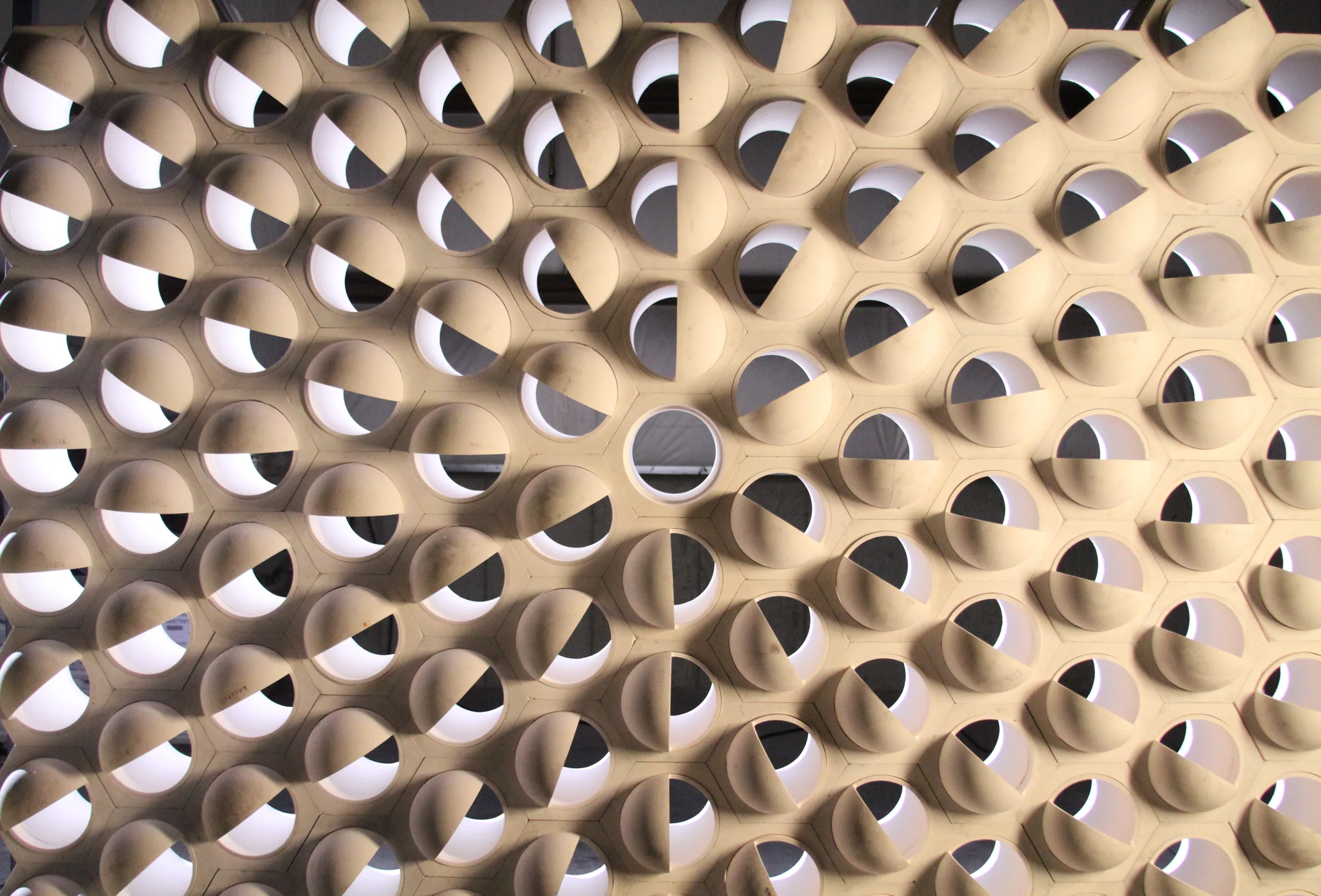
Checkerwall with angled openings for a sulfur recovery furnace
02

Refining and chemical processing

Checkerwalls for Claus furnaces, ferrules for waste heat boilers, erosion parts for FCC units.

Refining and chemical processing
03

Molten metals

Crucibles and linings for superalloy melting, riser tubes, degassing parts and channel furnace linings.

Molten metals
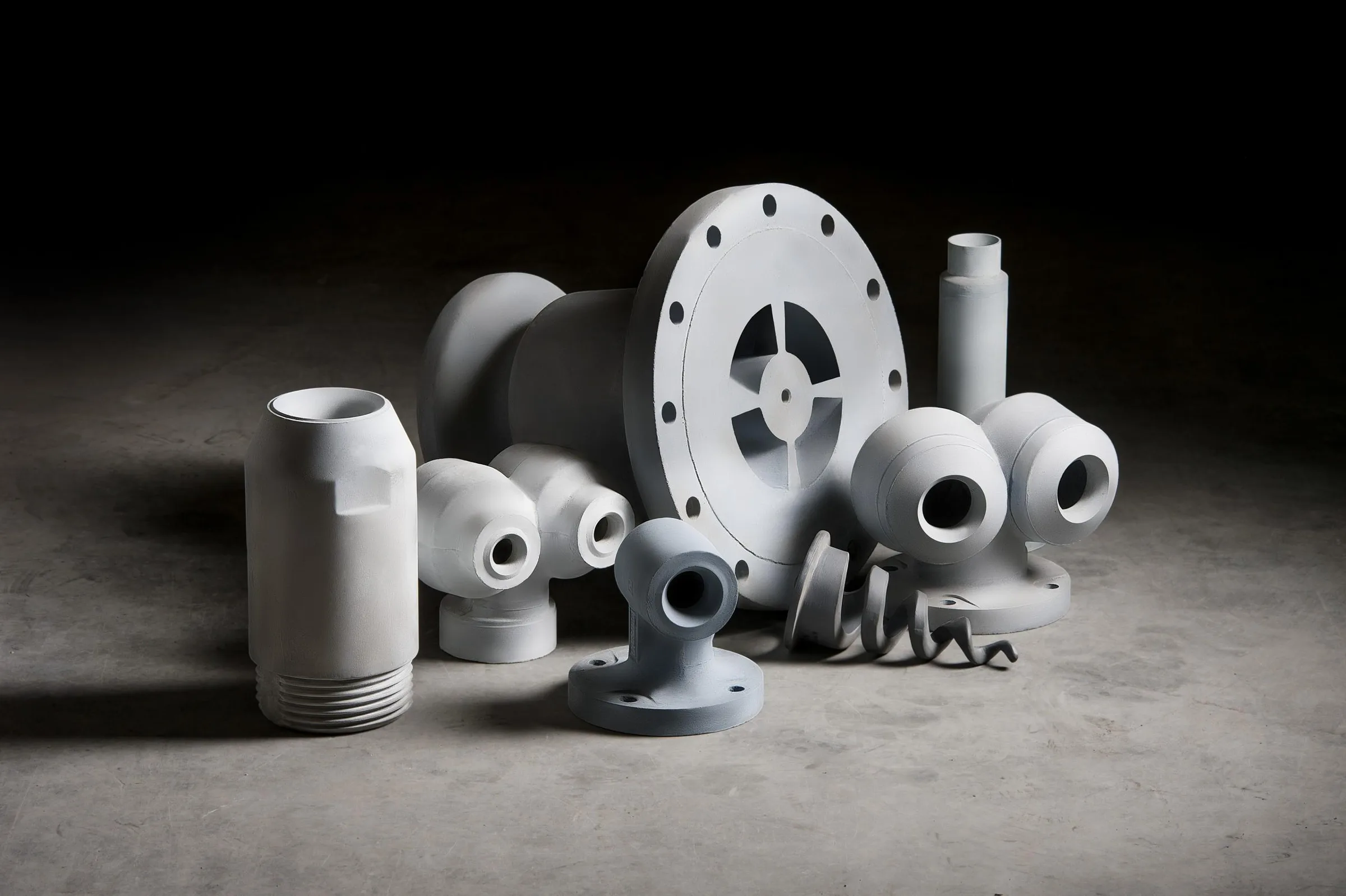
Ceramic spray nozzles and fittings for flue gas desulfurization
04

Power generation

Coal nozzles, fluidized bed nozzles, lined elbows and air heater inserts where ash and coal wear through steel.

Power generation
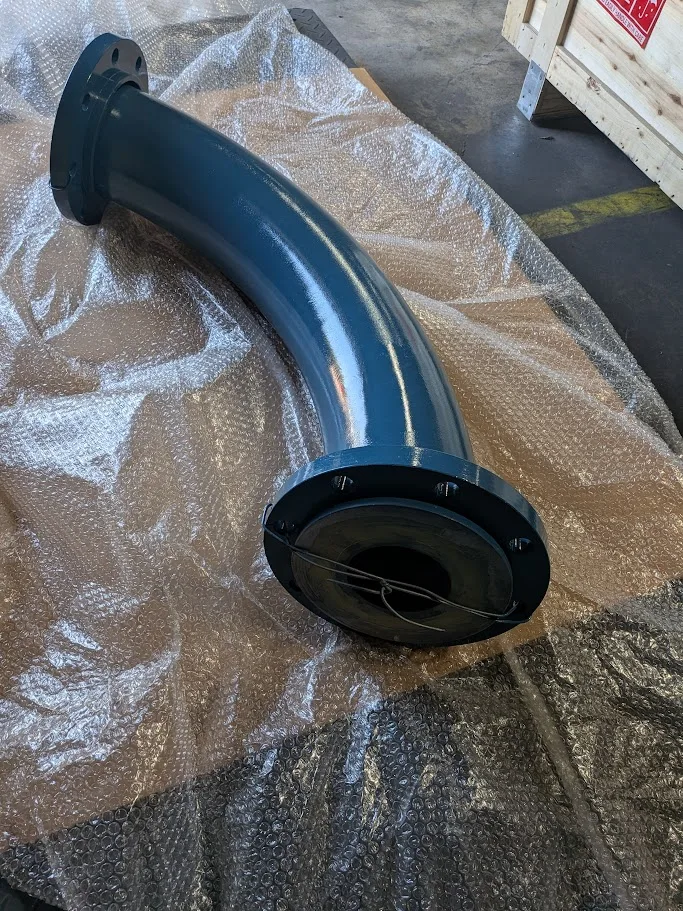
Long radius ceramic lined bend wrapped for shipping
05

Mining and mineral processing

Hydrocyclone liners, vortex finders, lined pipe and pump components for abrasive slurry.

Mining
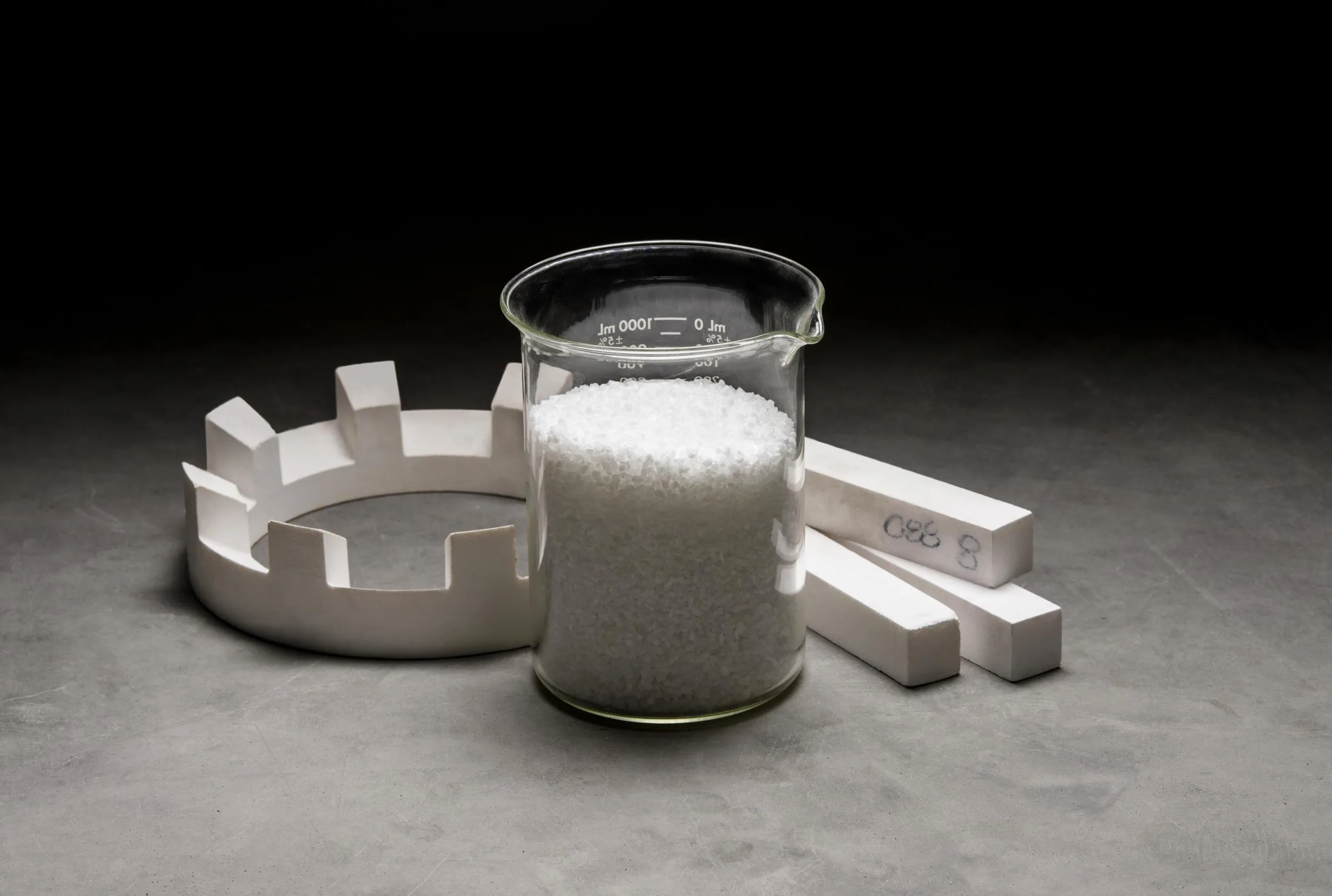
White alumina parts and powder in a glass beaker
06

Industrial process heating

Kiln furniture, saggers and setters, burner parts and heating element supports for continuous furnaces.

Industrial process heating

Repair the same failure again,
or remove its cause

Many plants replace a worn component with the same design that failed. The part comes back, and so does the shutdown.

Typical today

  • Brick tunnels in a reformer, laid course by course with mortar joints
  • Tiled or segmented pipe linings held by epoxy that erodes at the joints
  • Steel elbows patched or replaced at every turnaround
  • Castable shapes that need forming, curing and dry out on site

Engineered with Blasch

  • Interlocking precast blocks, set without mortar by a small crew
  • One piece cast liners with a smooth bore and no joints
  • A ceramic grade chosen for the medium, the temperature and the velocity
  • Parts fired in Albany, delivered ready to install

What changes

When a part is designed for the way it fails, the next shutdown is the one you planned, not the one the part chose for you.

End view of a ceramic lined elbow showing the liner inside the flange

Designed from your dimensions,
not from a catalogue

Most inquiries start without a drawing, and that is fine. Our engineers take the dimensions, the medium, the temperature and the flow, then choose the ceramic and design the part.

They check flow, heat and stress before anything is cast, using CFD and FEA, and test materials for thermal shock, abrasion and creep in our own lab.

The part is cast to near net shape with our own forming process, so complex geometry, internal threads and changing wall thickness do not need machining afterwards.

Results from
operating plants

Every number below comes from a documented installation, with the application it was measured in.

Bagasse boiler, Guatemala

3 to 4 months became 30+ months

Pneumatic ash conveying at 60 to 70 °C. After 30 months the CeraLine elbow showed about 10% wear, where steel elbows had lasted 3 to 4 months.

To the case

FCCU catalyst line, Greece

days became 12+ months

A catalyst line with thermal cycling at 690 °C, where earlier parts failed within days, ran more than 12 months with a ceramic lined component.

To the case

Lithium battery plant, US Midwest

months became over a year

A highly corrosive process stream that wore out components within months. The ceramic lined replacement has run for more than a year.

To the case

Primary reformer, published 2020

methane slip from 9.94% to 6.94%

After the flue gas tunnels were replaced with StaBlox, the spread of tube metal temperatures halved and production rose by 3.3%.

To the case
Interlocking hexagonal checkerwall blocks

More than 15 ceramic grades,
one chosen for your process

Alumina for wear and purity, zirconia composites for corrosive melts, silicon carbide in six bonding systems for erosion and heat, fused silica and aluminum titanate where thermal shock decides the life of the part.

The right grade depends on what attacks the part: particles, temperature swings, molten metal or chemistry. That choice is made per application, never from a table.

From inquiry
to installation

Four steps, with one engineer as your contact the whole way.

01

Describe the problem

Tell us what fails, where, and how often. Dimensions and operating conditions are enough.

02

Engineering

We choose the material, design the part and check flow, heat and stress where the application calls for it.

03

Casting and firing

The part is made in Albany, New York, or with a qualified partner when another forming method fits better.

04

Installation

Parts are designed to drop into the existing system, so the outage is spent setting parts, not forming them.

Frequently asked

Questions engineers ask first

Do I need a drawing to request a quote?

No. Most inquiries arrive without one. Send the dimensions, the medium, the temperature and the flow, and a Blasch engineer designs the part from there.

Does Blasch coat pipe or equipment?

No. Blasch does not coat or spray. A coating is a thin layer on steel; a Blasch liner is a cast ceramic part with its own wall thickness, fitted inside the pipe or elbow.

What does Blasch make besides lined pipe?

Flue gas tunnel systems for reformers, checkerwalls for sulfur recovery and acid furnaces, ferrules for waste heat boilers, crucibles and linings for metal melting, nozzles, kiln furniture and custom shapes. All products

Which materials does Blasch use?

Alumina, mullite, zirconia composites, fused silica, aluminum titanate, silicon nitride and silicon carbide in several bonding systems. The grade is chosen for each application.

Where are Blasch parts made?

In Albany, New York, with a second site in Beaufort, South Carolina. Some shapes come from vetted manufacturing partners when their forming method suits the part better.

Precast tunnel wall being built block by block in a furnace

Tell us which part
fails too early

Send the dimensions and the conditions it runs in. A Blasch engineer answers with a design, not a brochure. Call 1-800-550-5768 or write to us.

Talk to an engineer Call