Industries

Lithium battery saggers
and lined pipe for cathode plants

Ceramic saggers, setters and lined conveying lines for lithium battery material production.

Cathode powders are fired in saggers and conveyed through pipe that corrodes.
Ceramic parts for both ends of the process.
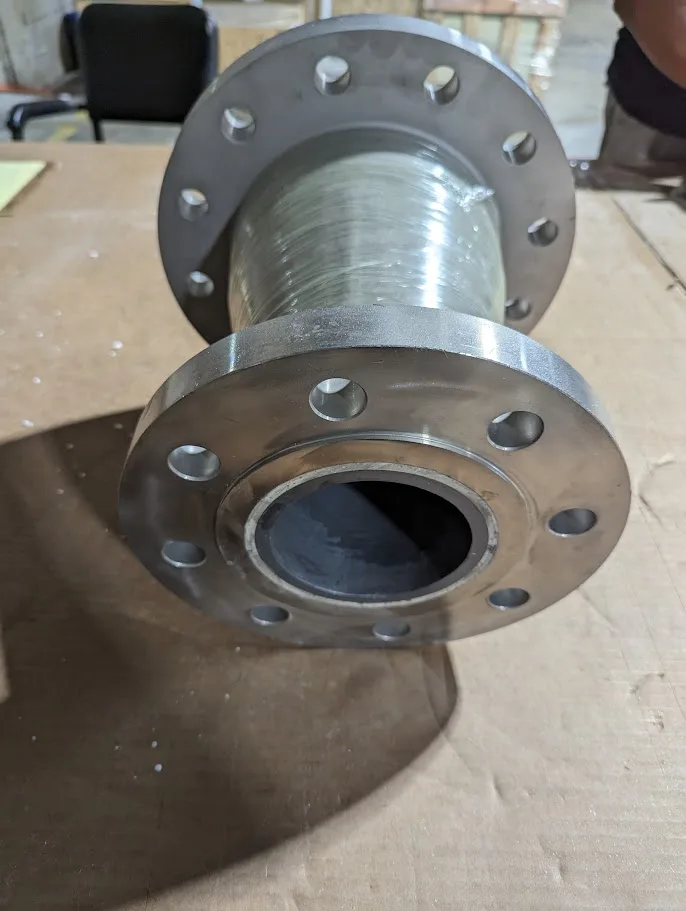
Flanged pipe spool with a ceramic liner, seen at an angle
In short

In lithium battery material production, ceramics hold up in two places: as saggers and setters that carry cathode powder through calcination, and as liners in the elbows and spools that convey corrosive battery materials. Blasch designs saggers and setters for the specific powder and furnace, choosing alumina, silicon carbide or spinel and magnesia based compositions for the chemistry involved. At a lithium battery manufacturer in the US Midwest, ceramic lined elbows and spools replaced stainless steel parts that failed every few months and have run for more than a year.

Replaced every few months,
or built for the chemistry

Battery material plants run hard on two kinds of parts: the saggers in the kiln and the pipe that moves the powder. Both are often bought as commodities and replaced on a short cycle.

End view of a ceramic lined elbow, liner and flange holes

Typical today

  • Stainless steel elbows and pipe that corrode within months
  • Standard saggers that are not matched to the cathode chemistry
  • Frequent changes that interrupt a continuous line

Engineered with Blasch

  • Elbows and spools lined with reaction bonded silicon carbide
  • Saggers and setters designed for the powder and the furnace
  • A material choice for oxidizing or reducing atmospheres
Ceramic plates, saggers, boats and setters

Cathode calcination: saggers and setters

Calcining lithium cathode powders puts saggers through repeated heating and cooling in contact with reactive lithium compounds. The material has to suit both the chemistry and the thermal cycle.

Spinel and magnesia are often used for lithium bearing cathode materials, while silicon carbides and aluminas work well with nickel and cobalt bearing compounds. Blasch casts plates, saggers, boats and setters to tight tolerances for batch and continuous furnaces.

Kiln furniture for the same furnaces, including pusher plates and muffle liners, comes from the same process.

The same parts, twice a year

A battery plant that changes corroded elbows every few months loses more to the stops than to the parts, which is why the fix starts with the material, not the supplier.

Ceramic lined spool in a crate, close view of the liner face

Conveying corrosive battery materials

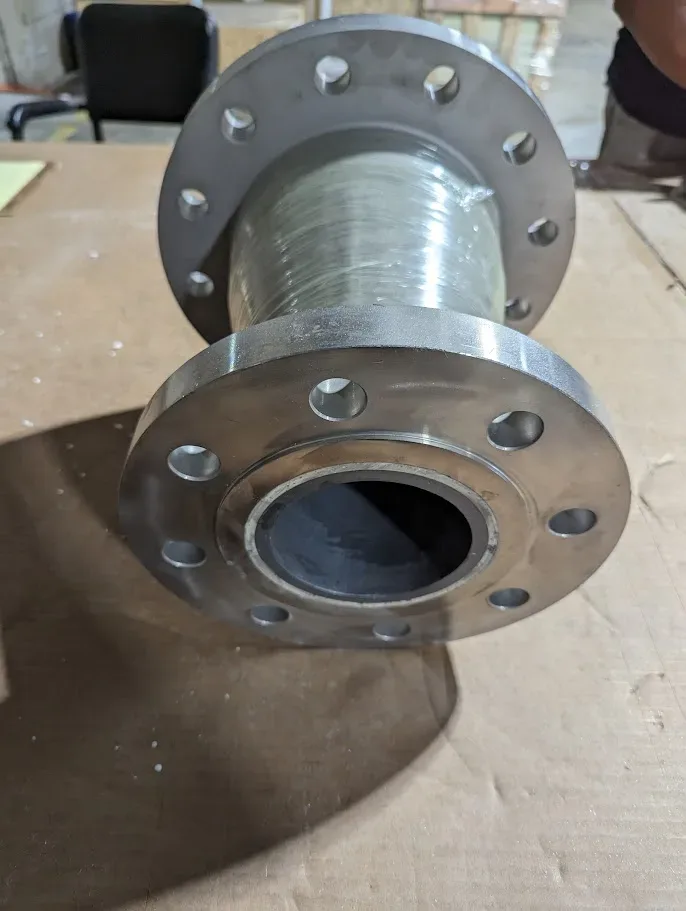
Battery materials are abrasive, and some process streams are highly corrosive. Ceramic lined elbows and pipe spool liners put a one piece cast ceramic sleeve inside the steel body, so the medium only touches ceramic.

Housings can be made from 304 stainless with custom flanges to match an existing line. The lined parts are delivered ready to install.

Results from a battery plant

The Midwest plant conveyed a highly corrosive material through stainless steel pipe and elbows that lasted only a few months each. Since the switch, elbows and spools with an InVinCer reaction bonded silicon carbide liner, set in 304 stainless bodies with special flanges, are still in service after more than abuilt into 304 stainless housings with custom flanges, have run for more than a year.nbsp;year. CeraLine in lithium battery production

Applications in battery materials

Battery material conveying and cathode material calcination.

Sintering and firing furnaces in general are covered under industrial process heating. Pneumatic conveying of other dry bulk materials is under heavy industrial processing.

Frequently asked

Questions about lithium battery saggers

What is a sagger in battery production?

A sagger is a ceramic container that holds cathode or anode powder while it is calcined in a kiln. It has to survive the temperature cycle and resist the powder's chemistry.

Which sagger material suits lithium cathode powders?

Spinel and magnesia based materials are often used for lithium bearing cathodes, silicon carbide and alumina for nickel and cobalt bearing compounds. The choice depends on the exact chemistry.

Can Blasch line pipe for corrosive battery materials?

Yes. Elbows and spools are lined with a cast ceramic sleeve inside a steel or stainless housing. It is a liner with its own wall, not a coating.

Flanged ceramic lined spool, second angle

Which part do you replace
most often?

Tell us the material, the temperature and the part that fails. A Blasch engineer proposes the ceramic and the design.

Talk to an engineer Call