Nozzles

Ceramic burner nozzles,
pilot and flare tips for flame and thermal cycling

Oxide and silicon carbide burner parts for industrial furnaces, fired heaters and flares, including hydrogen firing.

Every start and stop heats the tip in seconds and cools it again.
Alloy scales, thick tiles crack.

Ceramic burner nozzles, pilot and flare tips
In short

Ceramic flare tips and burner nozzles survive flame and thermal cycling when they are thin enough to heat evenly and made from a grade that resists oxidation and the fuel atmosphere: alumina or mullite in conventional firing, sintered, nitride bonded or reaction bonded silicon carbide where thermal shock and corrosion are severe, and low silica alumina or silicon carbide in hydrogen rich flames. Blasch supplies burner nozzles, pilot tips and flare tips in these grades to burner makers and plant operators, as new parts or as replacements for alloy and castable designs.

Castable burner tiles
or low mass nozzles

Many furnaces still carry burner tiles cast as thick blocks into a fiber lined wall. The block outlasts the fiber around it, but not the thermal cycling at its face.

Thick castable block

  • High thermal mass, the face heats much faster than the back
  • Fast starts and stops crack the thick section at the face
  • Heavy part in a light fiber wall, hard to replace
  • Alumina silica mixes that degrade in hydrogen flames

Low mass ceramic nozzle

  • Thin, even walls that follow the flame temperature closely
  • Round or slotted outlets for high velocity burners
  • Retrofits into the existing opening of the fiber lining
  • A grade chosen for the fuel, including hydrogen

Fuel changes the ceramic

The same burner that ran for years on natural gas can wear out its tile within a much shorter time on hydrogen, because the fuel attacks the silica that held the tile together.

Hydrogen firing and silica

Fired heaters and furnaces are moving toward hydrogen fuel to cut CO2 emissions, up to 100% hydrogen in some units. In these strongly reducing flames, silica in the refractory is reduced: SiO2 gives off volatile SiO and water, and the burner tile loses its bond over time.

Non-oxide ceramics such as silicon carbide usually do better in these conditions. Alumina with low or no silica is a reliable alternative where an oxide is preferred. Blasch has developed grades for hydrogen combustion in severe reducing environments and selects them with the burner design and the fuel mix.

Pilot and flare tips

Pilot and flare tips sit in the open flame and in the weather, often for years between inspections. Ceramic tips resist oxidation far better than alloy steel tips and in many cases cost less. They are cast with flanges and bores that fit the existing pilot or tip assembly.

Grades for burner parts

Grade Where it fits
Alumina, mullite, cordierite conventional gas and oil firing, thermal cycling
Sintered and recrystallized silicon carbide high temperature, thermal shock, hydrogen firing
Nitride, oxide and alumina bonded silicon carbide erosion and corrosion in dirty fuels and flare service
Reaction bonded silicon carbide dense wear faces, mixer and burner tubes

Burner and mixer tubes with precise flanges and thin walls are cast in the same oxidation and reduction resistant grades. Silicon carbide grades

Where Blasch burner parts run

Burner parts follow the fired equipment in refining, chemicals and hydrogen production.

Hydrogen and ammonia

Roof burners of steam methane reformers, next to the flue gas tunnels at the furnace floor.

Hydrogen and ammonia plants

Refining and chemicals

Fired heaters, flares, carbon black reactors and titanium dioxide burners with corrosive fuels.

Refining and chemical processing

Atomizing nozzles

Ceramic nozzles that guide molten metal into the atomizing gas for powder production.

Ceramic atomizing nozzles
Frequently asked

Questions about ceramic burner parts

Can a ceramic nozzle replace our castable burner tile?

Yes, in fiber lined furnaces a low mass nozzle can be retrofitted into the opening of the thick block, in round or slotted form.

Which ceramic suits hydrogen burners?

Silicon carbide or alumina with little or no silica, because hydrogen reduces silica and weakens the part.

Are ceramic flare tips more expensive than alloy tips?

Often not. Ceramic tips resist oxidation better than alloy steel and in many cases cost less.

Do you supply burner manufacturers directly?

Yes. Blasch supplies burner OEMs as well as plant operators who replace parts in existing burners.

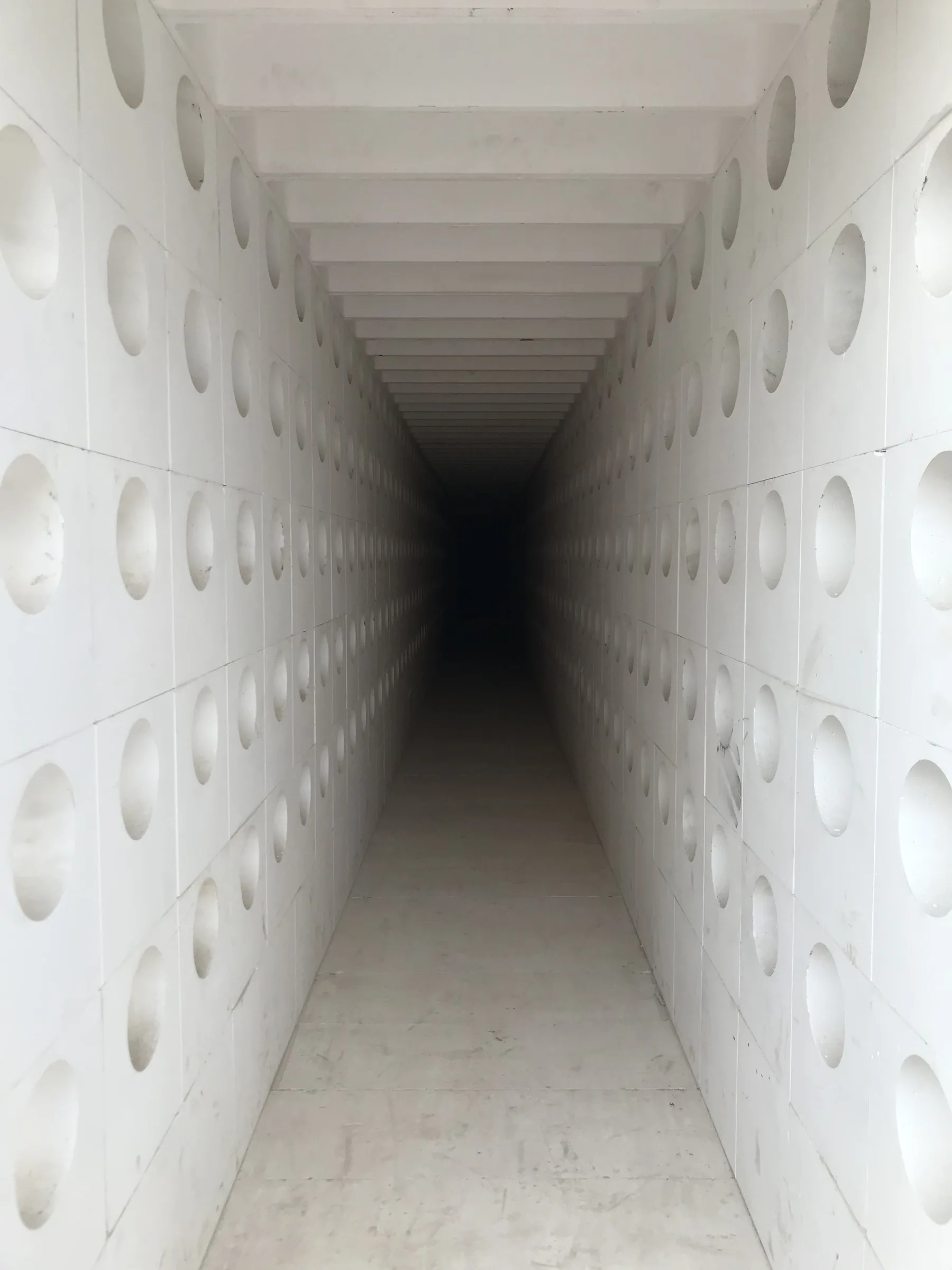
Inside a finished precast flue gas tunnel with rows of round side openings

Switching burners
to hydrogen?

Send the burner type, the fuel mix and the dimensions of the current tile or tip. A Blasch engineer proposes the grade and the shape.

Talk to an engineer Call