Crucible and melt products

Ceramic crucibles and linings
for superalloy and specialty metal melting

Crucibles, segmented linings, backup ram and the small ceramic parts around a vacuum or air melt.

The crucible touches every heat you pour.
Its grade, size and lining decide how clean the metal stays and how long the campaign runs.

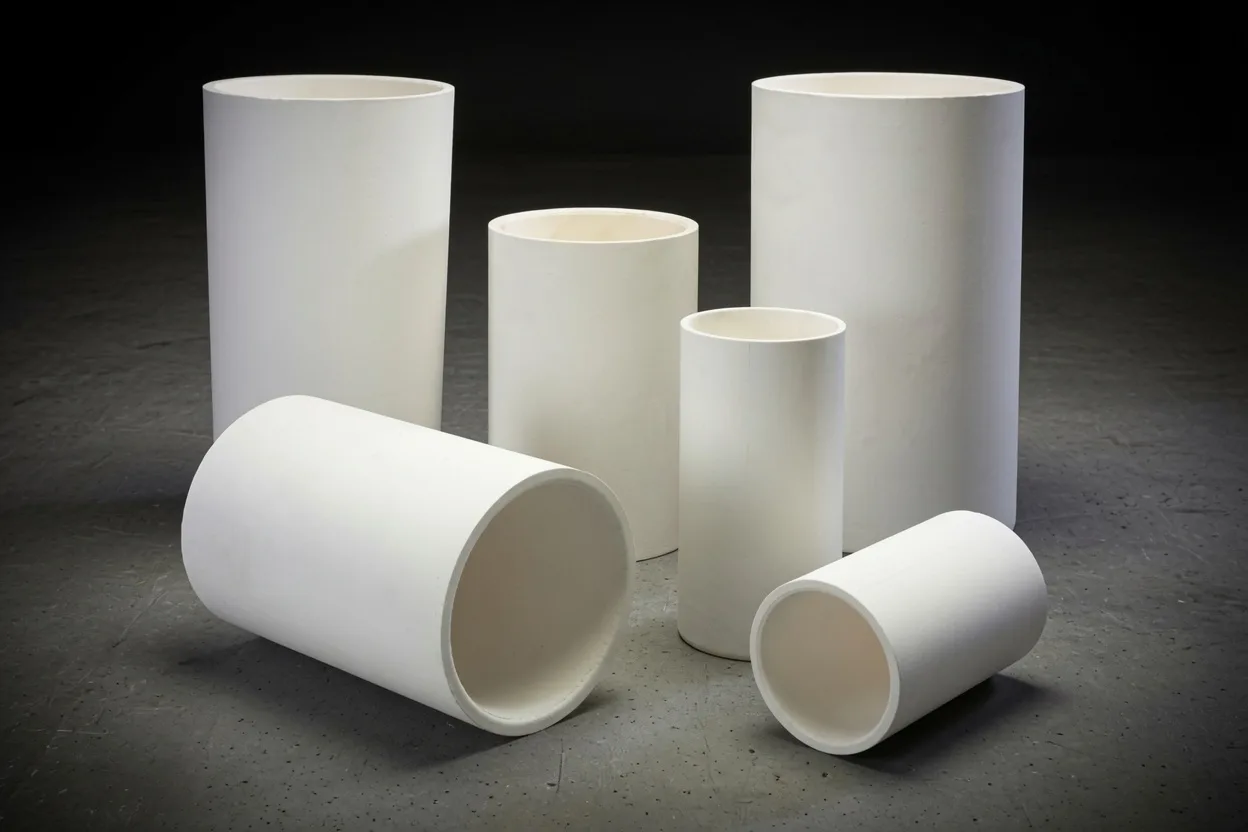
Ceramic crucibles of different sizes
In short

For melting superalloys and specialty metals in coreless induction furnaces, Blasch makes ProCaster high alumina ceramic crucibles in four grades, the InterLok segmented lining for large furnaces, one-shot crucibles for single melts and the ALRAM backup ram that goes behind them. The grade follows the alloy: ProCaster 087, an alumina zirconia composite, for corrosive nickel, cobalt and stainless melts, ProCaster 074 for alloys with strict purity limits. Around the melt, Blasch adds 3D printed filters, sample cups and argon rings.

Why the crucible decides the melt

Every crucible wall is in contact with the alloy for the whole heat. When it erodes or spalls, ceramic particles end up as inclusions in the casting, and the cost shows up later as scrap and rework.

When it cracks, the campaign ends early and the furnace is down for a reline.

Nickel and cobalt superalloys for aerospace and medical castings are melted at roughly 1,590 to 1,780 °C, in air or under vacuum. At that temperature the choice of ceramic is a choice between corrosion resistance, thermal shock resistance and purity, and no single grade wins all three.

Crucibles and linings for the induction furnace

Three ways to contain the melt, chosen by furnace size and how often the alloy changes.

White high alumina crucibles

ProCaster crucibles

Monolithic high alumina crucibles from 5 to 4,500 lb steel capacity, with cast spouts and bottom pour holes.

High performance ProCaster crucibles
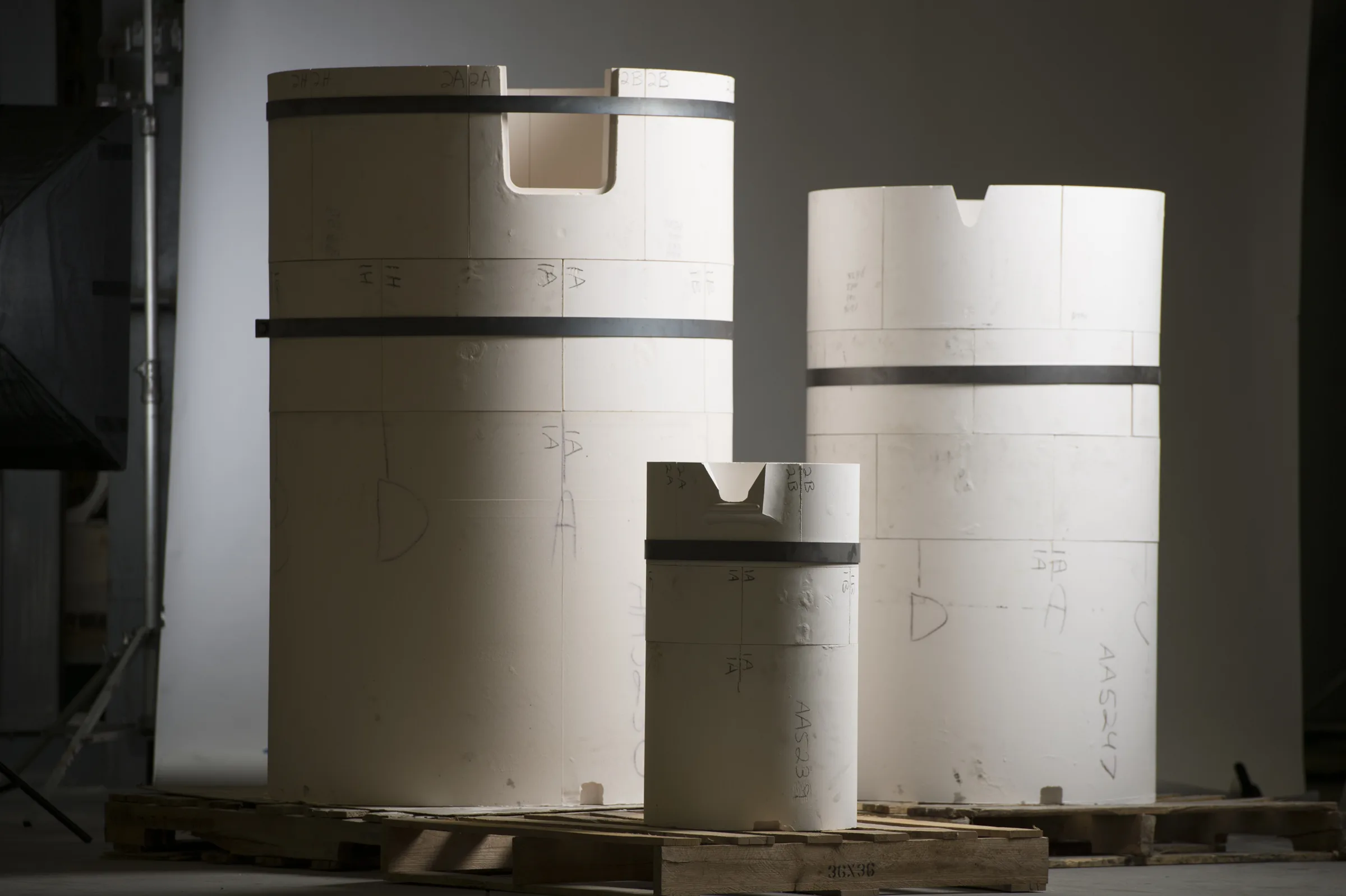
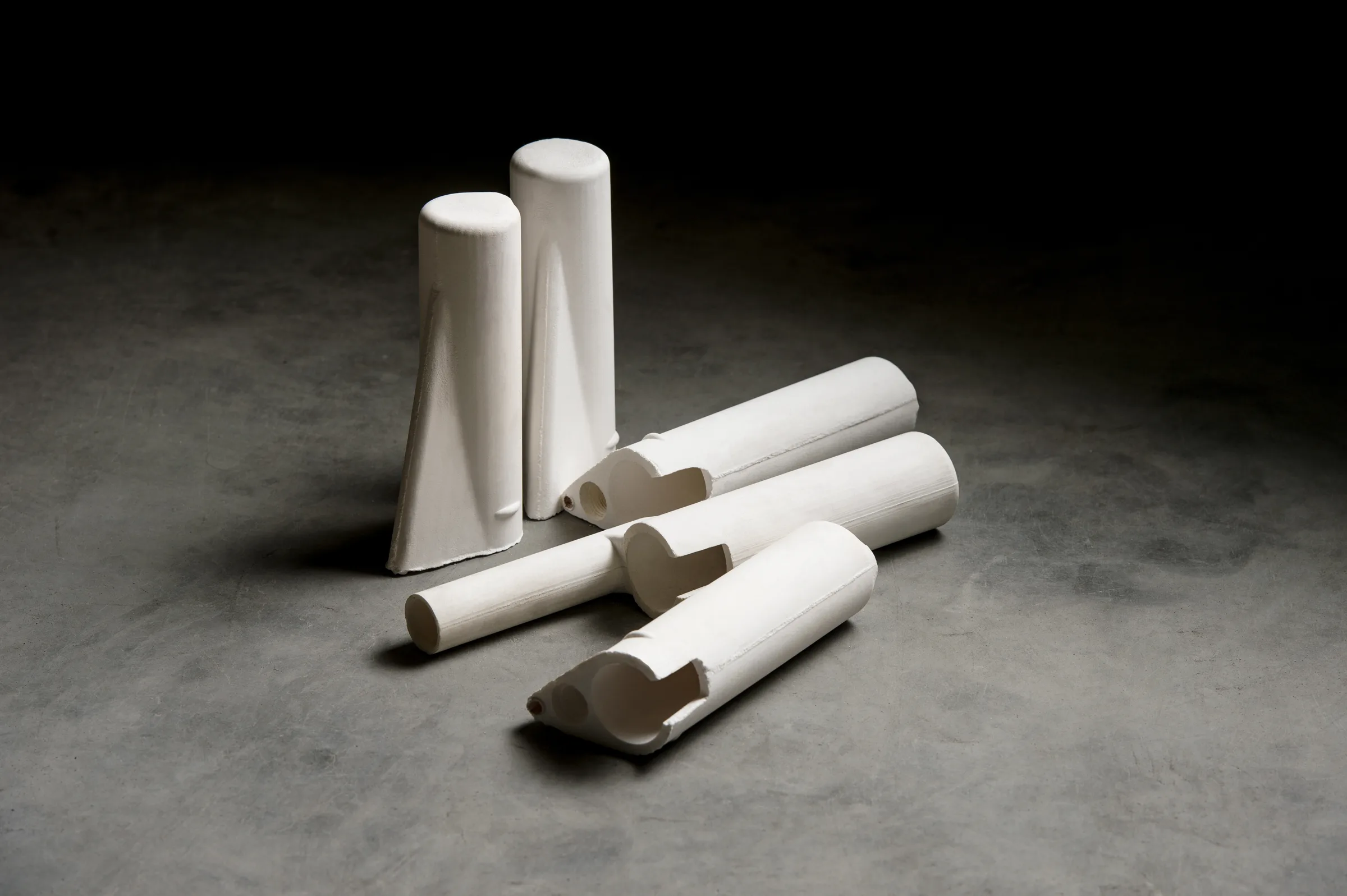
Sections of a segmented crucible lining

InterLok segmented lining

Tongue and groove segments without mortar for furnaces from 650 to 15,000 lb.

InterLok segmented crucible lining
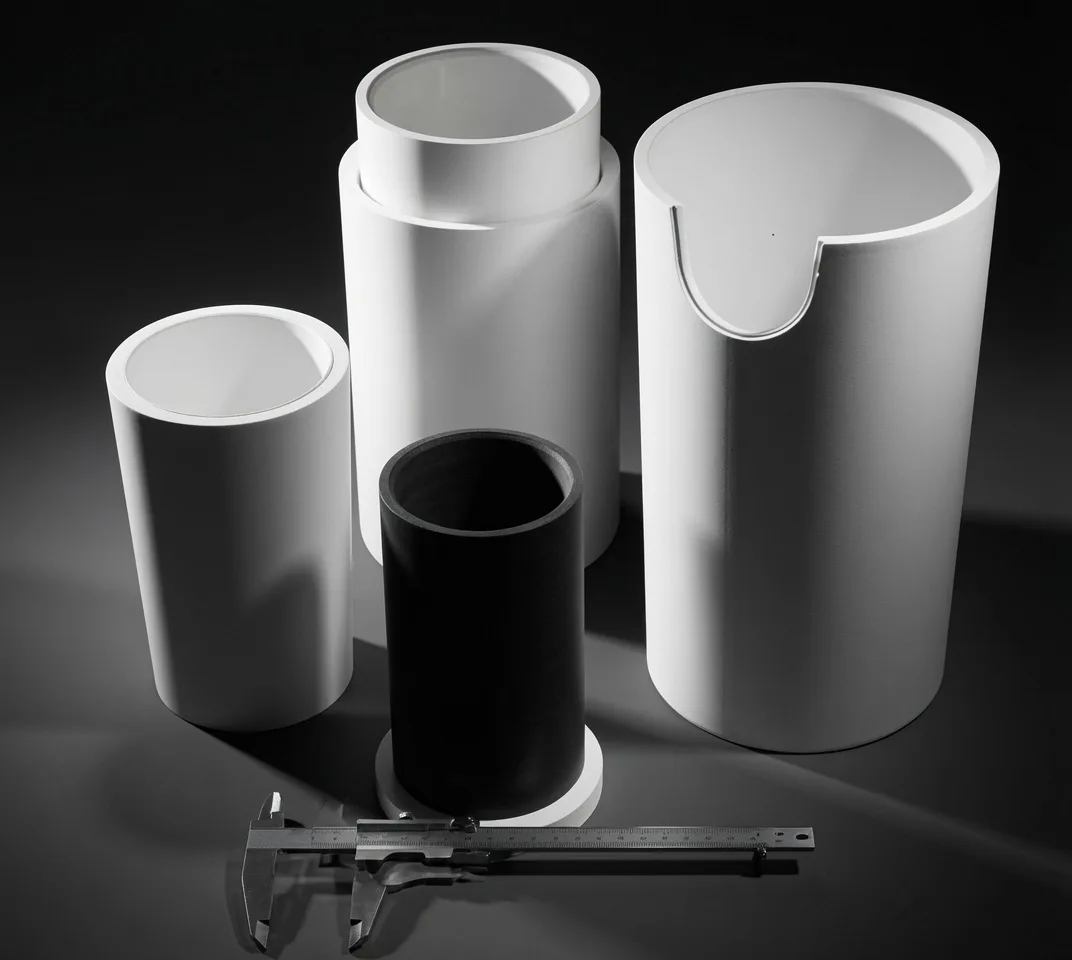
One-shot crucibles in white and black

One-shot crucibles

A fresh crucible for every melt, where residue from the last heat is not acceptable.

ProCaster one-shot crucibles

Size changes the failure

Above roughly 500 kg, a lining fails from its own thermal expansion before the alloy wears it out, which is why large furnaces get segments and smaller ones a monolithic crucible.

Choosing a ceramic crucible by grade and furnace size

The four ProCaster grades cover the main reasons a crucible is replaced.

Grade Built for
ProCaster 043 General high performance alumina crucible
ProCaster 074 Alloys with high purity requirements, such as sputtering target alloys
ProCaster 086 Crack-free melting at high power levels
ProCaster 087 Alumina zirconia composite with the highest corrosion resistance

Monolithic crucibles are listed in about 50 straight wall and 13 tapered wall sizes. Above 650 lb steel capacity, the segmented lining becomes an option, and from several tons it is usually the one that lasts longer.

Whichever you use, the lining works as a system: crucible, backup ram, top cap and a slip plane that protects the coil grout. ALRAM backup ram for alumina crucibles is matched to the thermal expansion of the crucible.

Parts around the melt

Small ceramic parts that decide how clean the metal is when it reaches the mold.

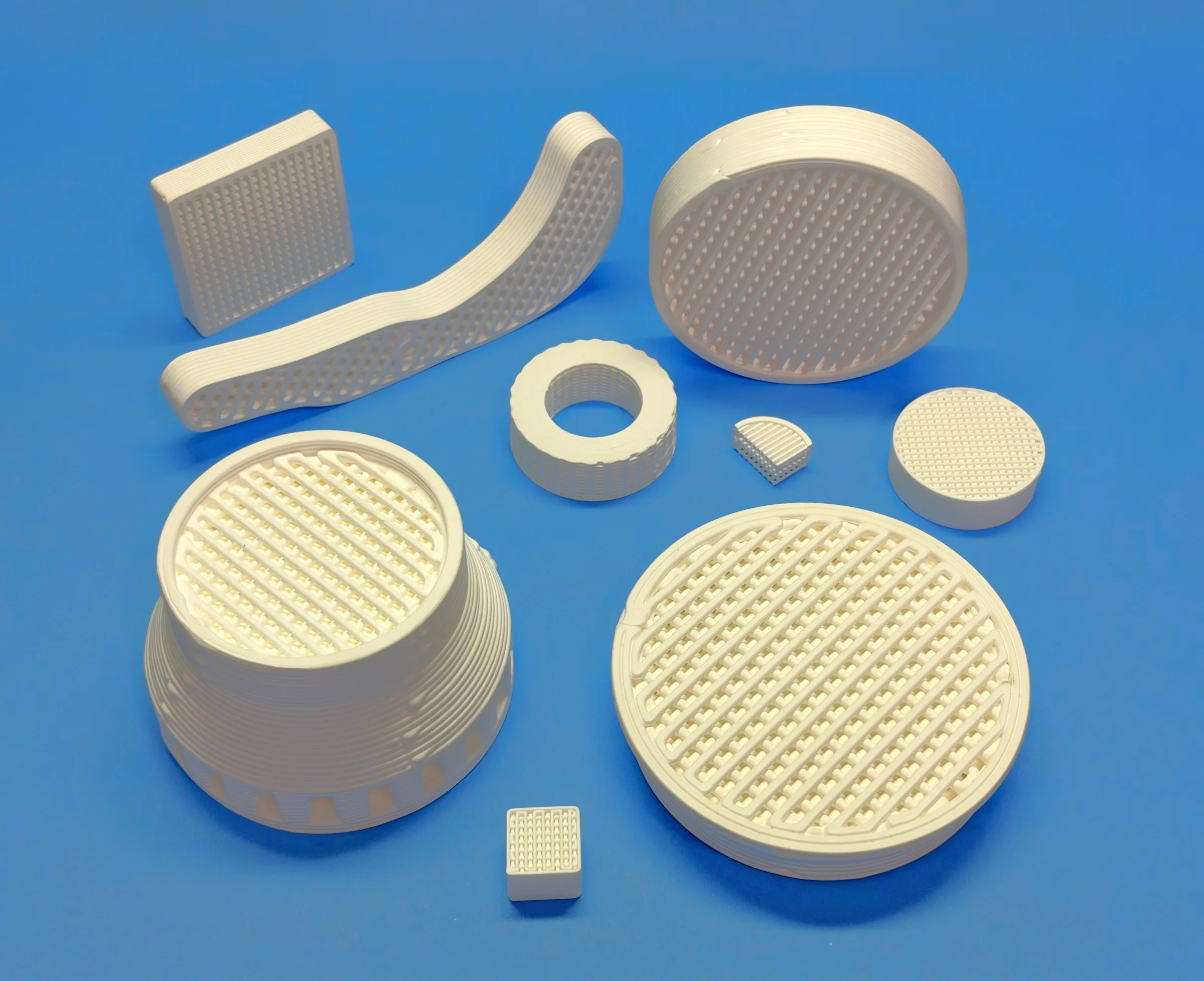
3D printed ceramic filters with a honeycomb pattern

3D printed filters

Printed lattice filters with no straight path through them, for inclusion removal and calm mold filling.

ProCaster 3D printed filters
Ceramic sample cups for molten metal

Sample cups

A threaded cup that takes a master sample and a pin sample in one dip, without machining.

Sample cups for molten metal
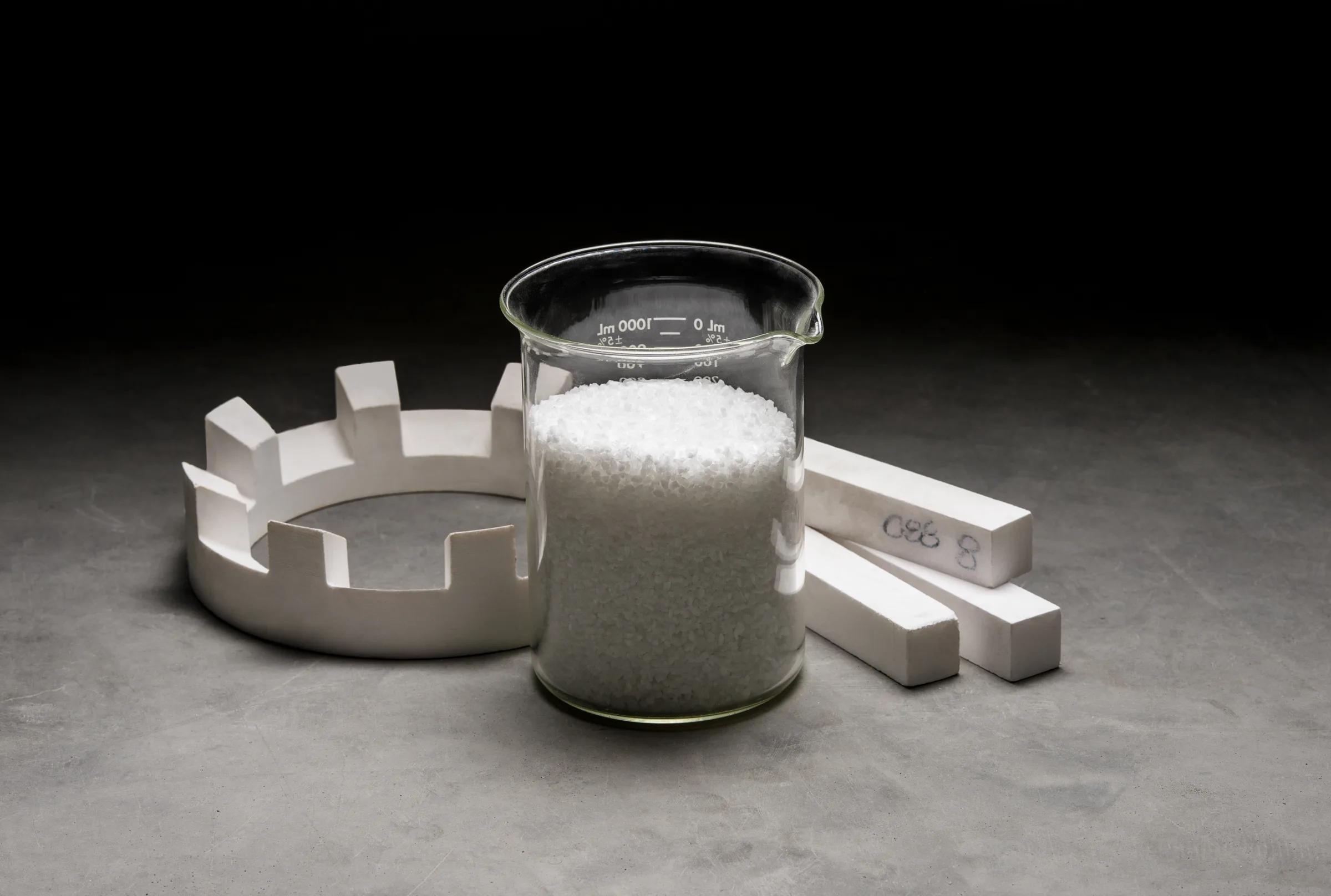
Ceramic argon rings with raw material in a beaker

Argon rings

A ceramic ring that spreads an argon blanket over the melt in roll-over furnaces.

Ceramic argon rings

Where these parts are used

Investment casting of turbine and medical parts, master alloy production, gas atomization of metal powder, thermal spray powder and sputtering targets. The same melt shops often run aluminum or copper lines as well, which use a different set of non-wetting ceramics.

Ceramics for molten metal processing

Frequently asked

Questions about melt crucibles

Are these crucibles for laboratory or jewelry use?

No. They are made for coreless induction furnaces in foundries and alloy plants, from a few pounds up to several tons of metal.

Is a high alumina crucible an alternative to zirconia?

ProCaster high alumina crucibles were developed as an alternative to zirconia crucibles. For the most corrosive melts, ProCaster 087 adds zirconia to an alumina base.

When does a segmented lining make more sense than a monolithic crucible?

In large furnaces, where thermal stress limits the life of the lining. InterLok starts at 650 lb steel capacity and covers furnaces up to 15,000 lb.

Do I need a drawing to order a custom crucible?

No. The furnace coil dimensions, the capacity and the alloy are enough for a Blasch engineer to propose a size and grade.

Ceramic crucibles for investment casting

Campaigns shorter
than they should be?

Tell us the furnace, the alloy and how the last crucible ended. A Blasch engineer suggests the grade and the lining system.

Talk to an engineer Call