Industries

Ceramics for the ammonia plant
primary reformer and its boilers

Flue gas tunnels, ferrules and burner parts for hydrogen, ammonia, methanol and syngas plants.

Tunnels on the furnace floor, ferrules at the boiler inlet, tips on the burners.
Ceramic parts that decide how evenly a reformer fires.

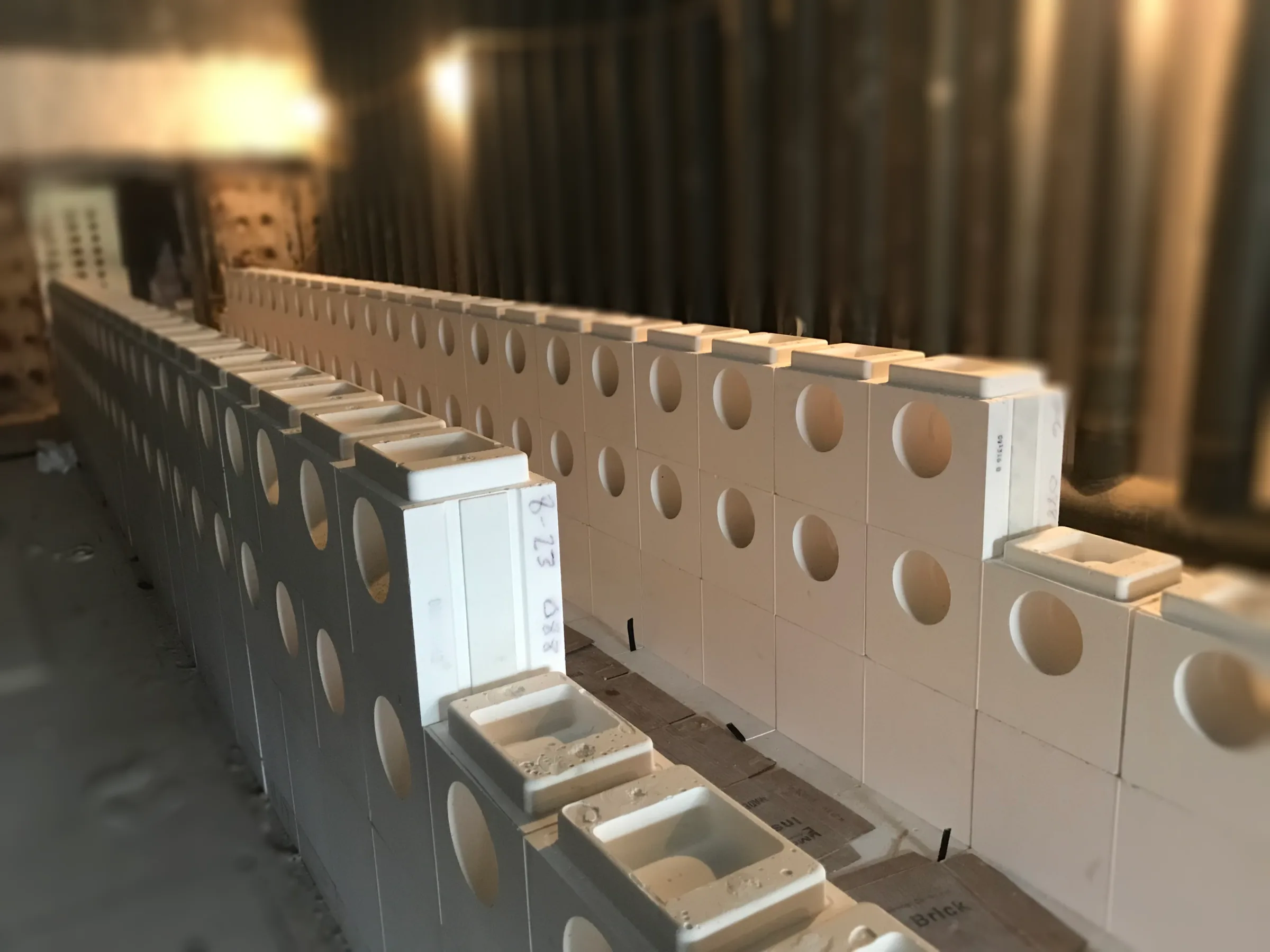
View along the top of a precast tunnel wall on a furnace floor
In short

In an ammonia plant primary reformer, the ceramic components that matter most are the flue gas tunnels on the furnace floor, the burner tips in the roof and the ferrules that protect the waste heat boiler tubesheets downstream. Blasch supplies StaBlox precast tunnel systems that spread flue gas evenly across the catalyst tube rows, hybrid and hex head ferrules for the secondary reformer boiler, and ceramic burner and pilot tips. The same parts serve hydrogen, methanol and syngas plants built around a top-fired reformer.

Where a hydrogen or ammonia
reformer loses output

A primary reformer is fired to protect its hottest catalyst tube. Whatever makes some tubes hotter than others costs throughput or tube life.

Long precast tunnel wall inside a reformer furnace

Brick tunnels

  • Built course by course in firebrick and mortar during the turnaround
  • Walls snake, lids crack and tunnels can collapse
  • One opening size along the tunnel, so flue gas is drawn unevenly
  • A collapsed tunnel often waits for the next full revamp

StaBlox precast tunnels

  • Interlocking blocks set dry, without masons and without curing
  • Each block takes up its own thermal expansion
  • Orifice inserts sized for every position in the furnace
  • Single tunnels can be rebuilt from stocked parts
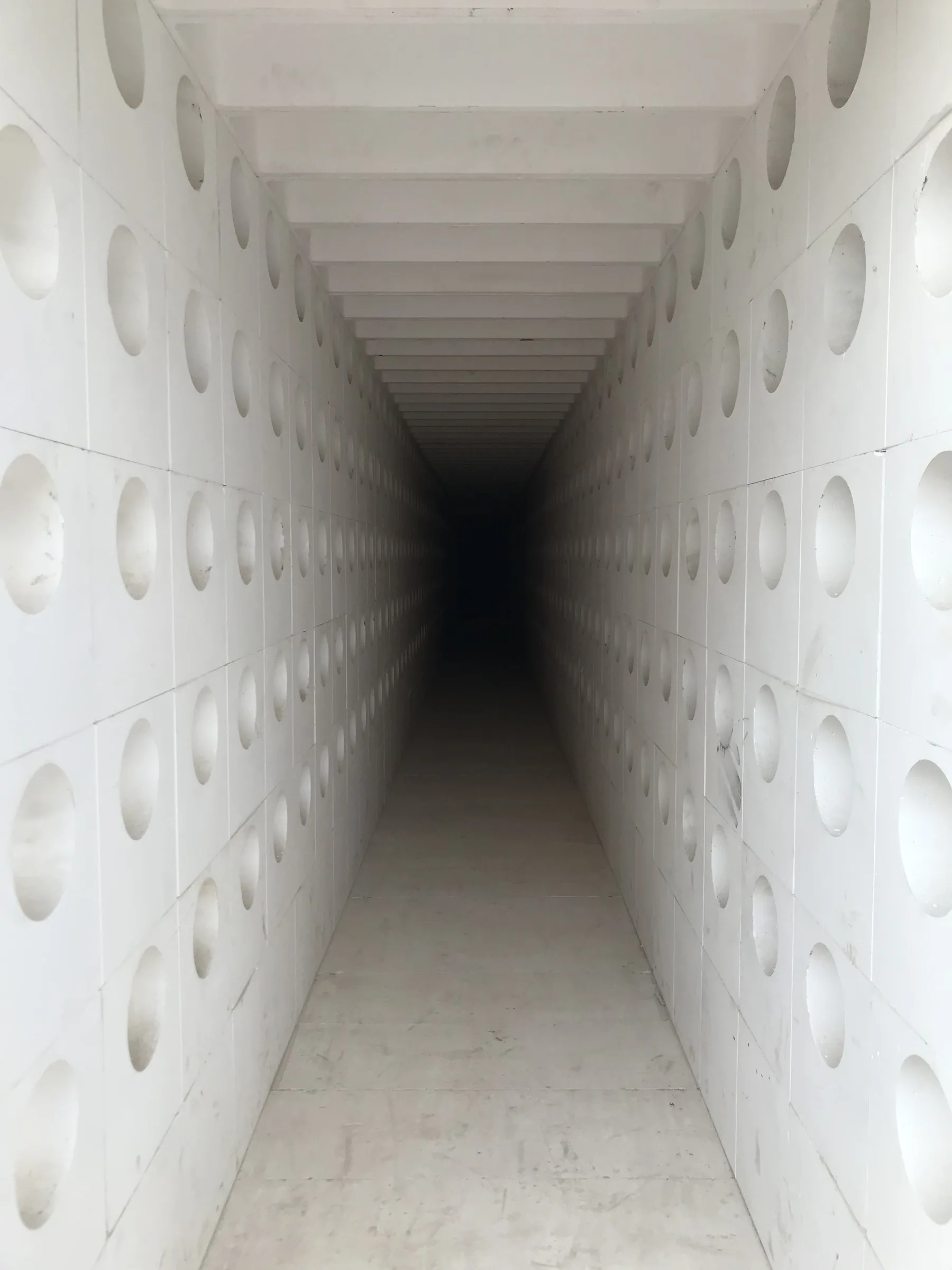
Inside a finished precast flue gas tunnel with rows of round side openings

Primary reformer: tunnels and burners

In a top-fired reformer, burners in the roof fire down between the tube rows. Flue gas leaves through tunnels on the floor, often called coffins, 4 to 10 ft high and 40 to 100 ft long.

StaBlox flue gas tunnels replace those brick walls with hollow mullite bonded alumina blocks, a base that spreads the load, removable tie rods and a hollow lid. The opening plan is modeled with BD Energy Systems for each furnace.

Burner nozzles, pilot tips and flare tips see the flame and every start and stop. Blasch casts them in thermal shock resistant grades. Burner nozzles and pilot tips

What the catalyst tubes feel

Two reformers with the same burners and the same tubes can run very differently, and the difference is often decided by refractory on the floor that nobody looks at between turnarounds.

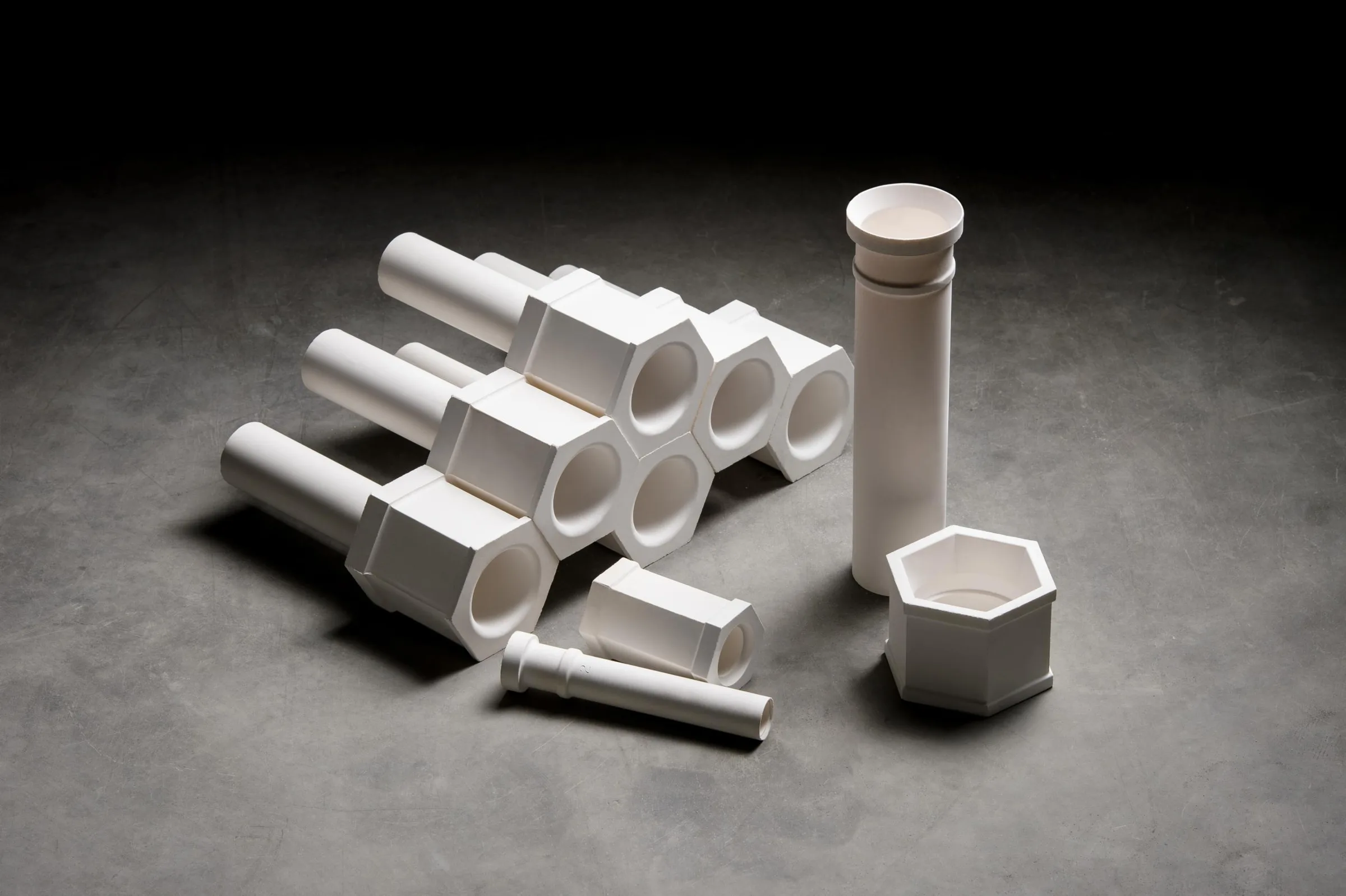
Hex head ceramic ferrules and tube shapes

Secondary reformer and waste heat boilers

The secondary or autothermal reformer runs in a strongly reducing hydrogen and carbon monoxide atmosphere. Its refractory needs high purity alumina and thermal shock resistance at the same time.

Blasch can cast alumina of more than 99% purity that is neither sintered nor fully dense, so the part stays pure and still tolerates fast temperature changes.

At the boiler after the secondary reformer, hybrid ferrules combine a metal ferrule with a precast ceramic head, in place of refractory cast around each tube on site. Elsewhere in the plant, round and hex head ferrules protect boiler tubesheets.

Results from ammonia plants

An ammonia plant with 168 catalyst tubes measured tube metal temperatures before and after its tunnels were replaced with StaBlox. The spread from coolest to hottest tube fell from 222 °F to 116 °F, methane slip went from 9.94% down to 6.94%, and production increased 3.3%, as published in World Fertilizer in 2020. Tube temperature study

At two US ammonia plants in summer 2018, all tunnels were replaced. One 43 ft tunnel went in about every 4 hours, and nine tunnels took about three days including the orifice inserts. Tunnel replacement in two plants

The cost of waiting has also been modeled. A published CFD study of a reformer with one outer tunnel missing estimated a theoretical loss of about 19 t/d for an ammonia plant of 2,000 t/d whose output is set by the primary reformer.

Applications in hydrogen and ammonia

Steam methane reforming, reformer flue gas tunnels, reformer revamps, secondary reforming, and syngas and gasification. The same tunnel and ferrule questions come up in hydrogen plants for refineries and in methanol plants.

A collapsed tunnel does not need a full rebuild: compromised tunnel replacement uses stocked blocks, lids and bases for common sizes.

Who you talk to

Reforming was part of the refining and chemical market on the previous Blasch site, managed by Tim Connors, Director of Business Development, Blasch Global Solutions. Related parts for sulfur recovery and other refinery units are on the refining and chemical processing page.

Frequently asked

Questions about reformer ceramics

Which reformers use flue gas tunnels?

Top-fired (down-fired) reformers, which are common in ammonia, hydrogen, methanol and syngas plants. Side-fired and terrace wall designs route the flue gas differently.

Can StaBlox be installed in one tunnel only?

Yes. A single StaBlox tunnel can stand next to existing brick tunnels, so one damaged tunnel can be rebuilt on its own.

What does Blasch supply for the secondary reformer?

Ferrules for the waste heat boiler that follows it, including hybrid metal and ceramic ferrules, and high purity alumina shapes for the reducing atmosphere.

Does Blasch supply catalyst tubes or burners?

No. Blasch makes the ceramic parts in and around them: tunnels, burner and pilot tips, ferrules and custom shapes.

Two workers setting precast tunnel blocks inside a reformer furnace

Uneven tubes
or a tunnel that leans?

Share the furnace layout or just the tunnel sizes, and a Blasch engineer shows what new tunnels and a new opening plan can change.

Talk to an engineer Call