Industries

Industries we serve
with engineered ceramics

Where Blasch ceramic and refractory components work, from reformers and Claus furnaces to melt shops and mines.

Eight industries, one question: which part fails before the plan says it should?
Start with the industry you work in.

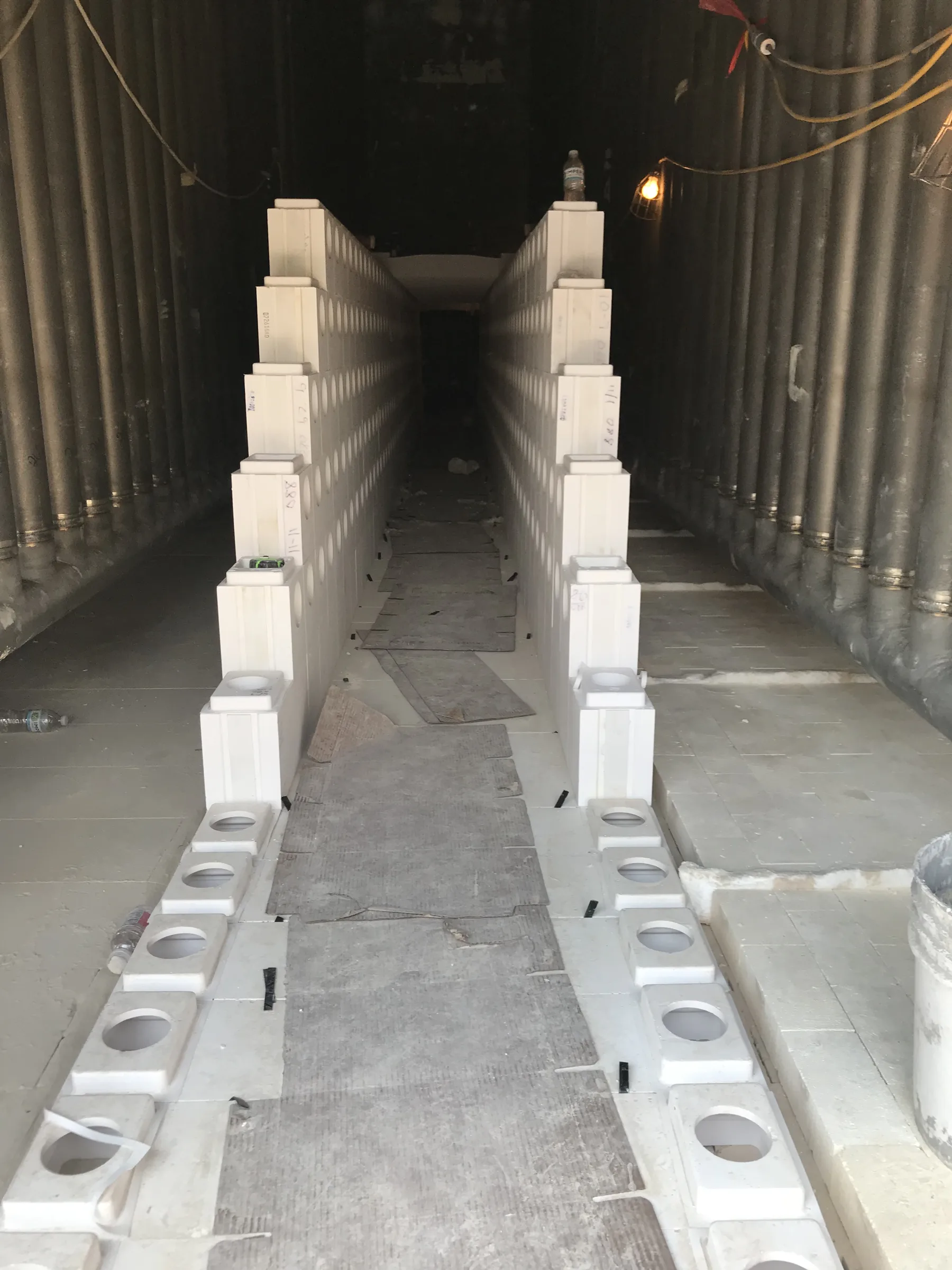
Precast tunnel wall being built block by block in a furnace
In short

Blasch engineered ceramics are used in eight industries: refining and chemical processing, hydrogen and ammonia production, molten metals, power generation, mining and mineral processing, heavy industrial processing, industrial process heating and battery materials manufacturing. In each of them, Blasch designs and casts ceramic and refractory components for the place where abrasion, heat, corrosion or molten metal destroys the current part. As an industrial ceramics manufacturer in Albany, New York, Blasch has made these components since 1979.

Choose your industry

Each industry page lists its applications, the Blasch parts used there and the documented results we can share.

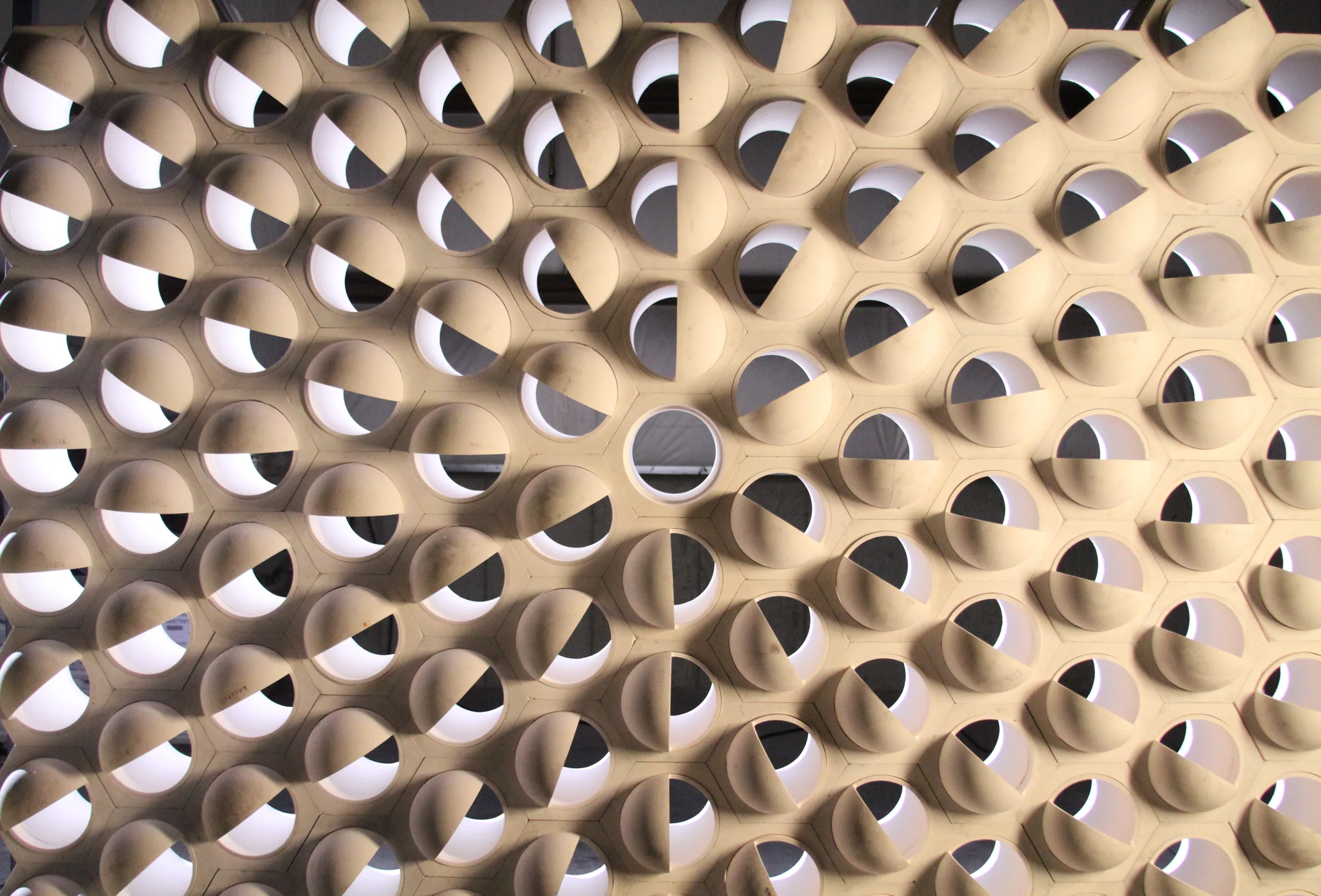
Full checkerwall with angled openings
01

Refining and chemical processing

Checkerwalls for Claus furnaces and oxidizers, tubesheet ferrules, FCC wear parts and shapes for TiO2 and carbon black.

Refining and chemicals
Two precast tunnel walls on the floor of a reformer furnace during installation
02

Hydrogen and ammonia

Precast flue gas tunnels for top-fired reformers and ferrules for the boilers that follow them.

Hydrogen and ammonia production
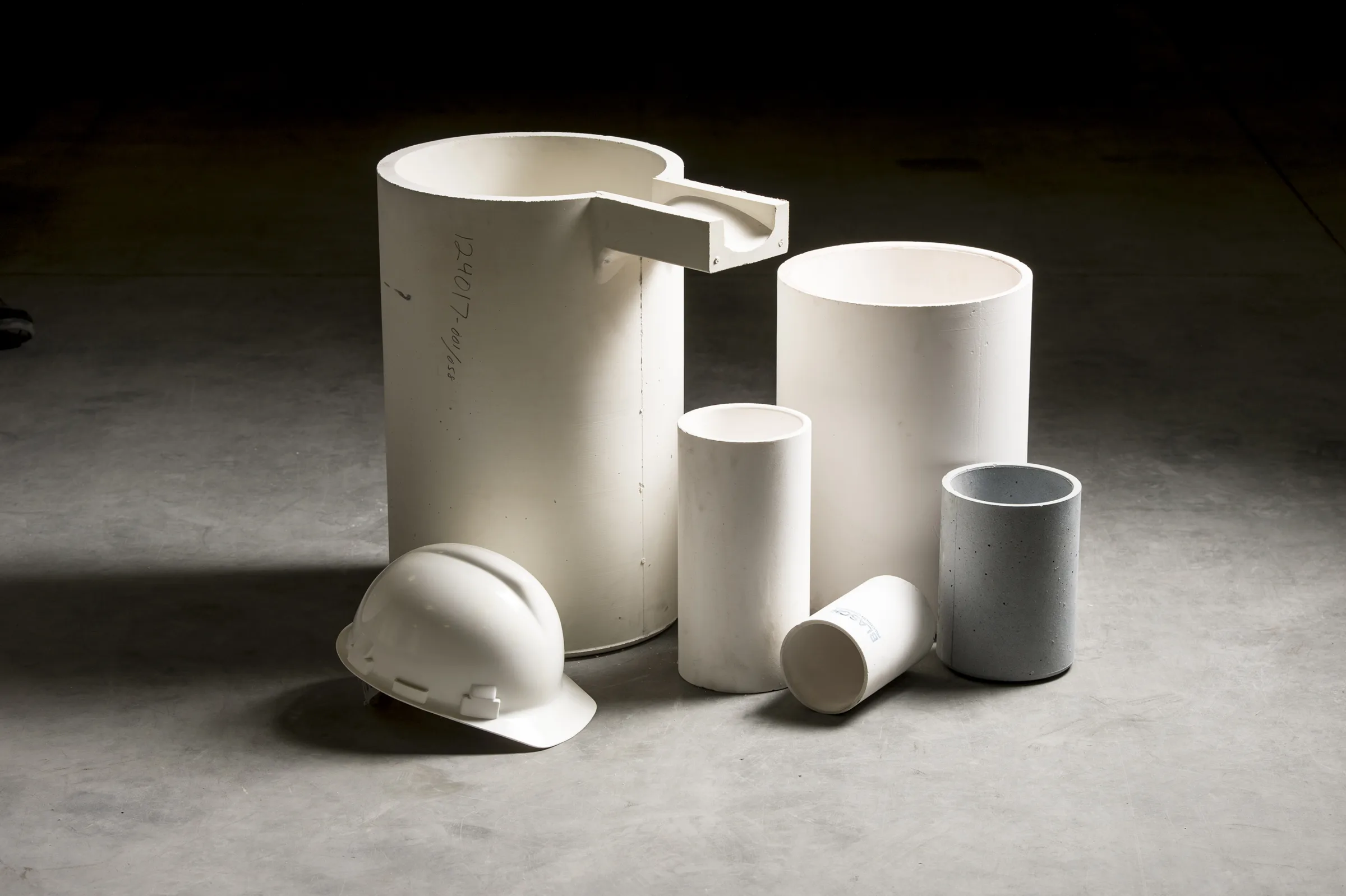
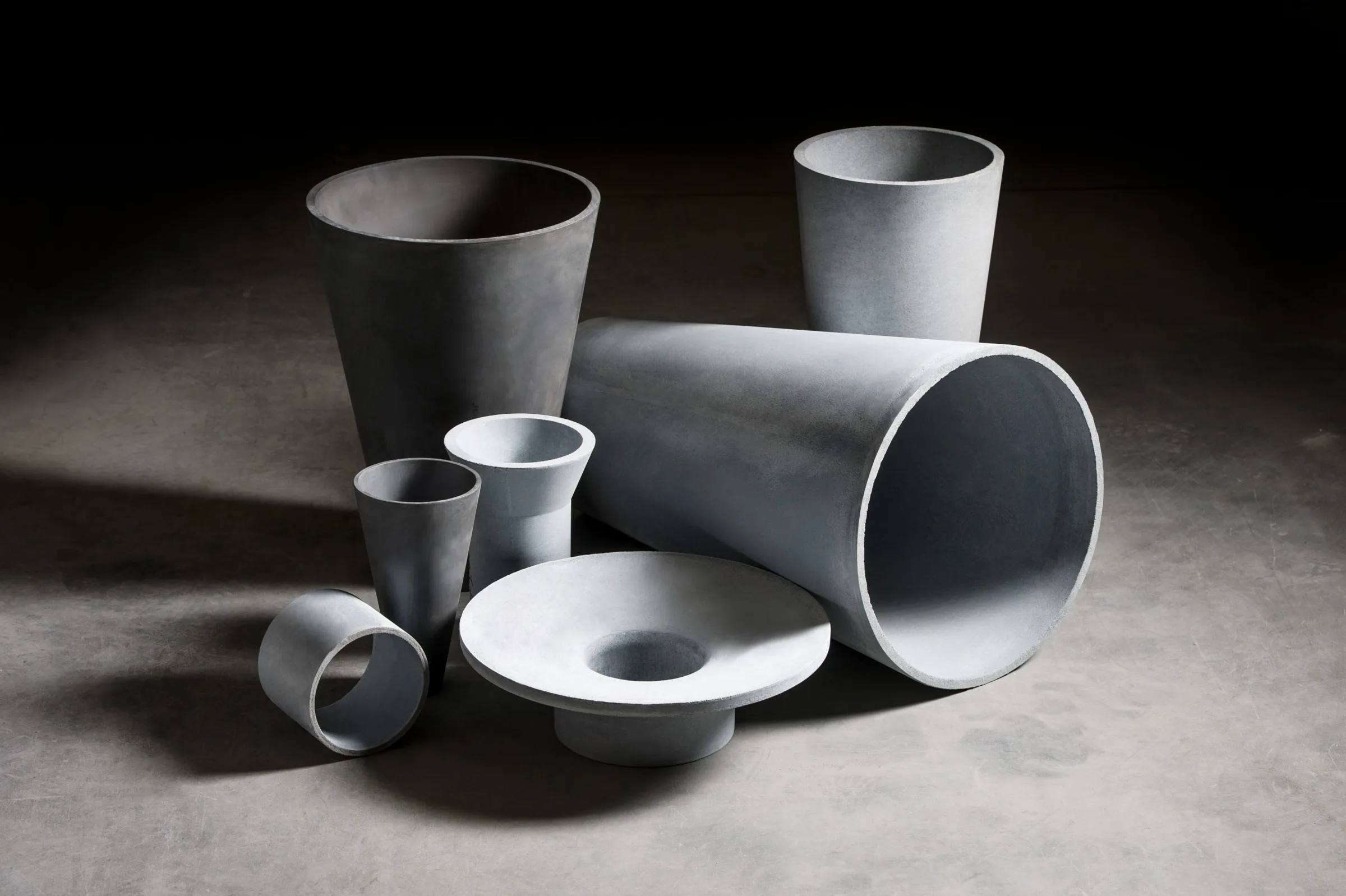
Ceramic crucibles of different sizes
03

Molten metals

Crucibles and segmented linings for superalloys, non-wetting parts for aluminum, channel liners for brass and zinc.

Molten metal ceramics
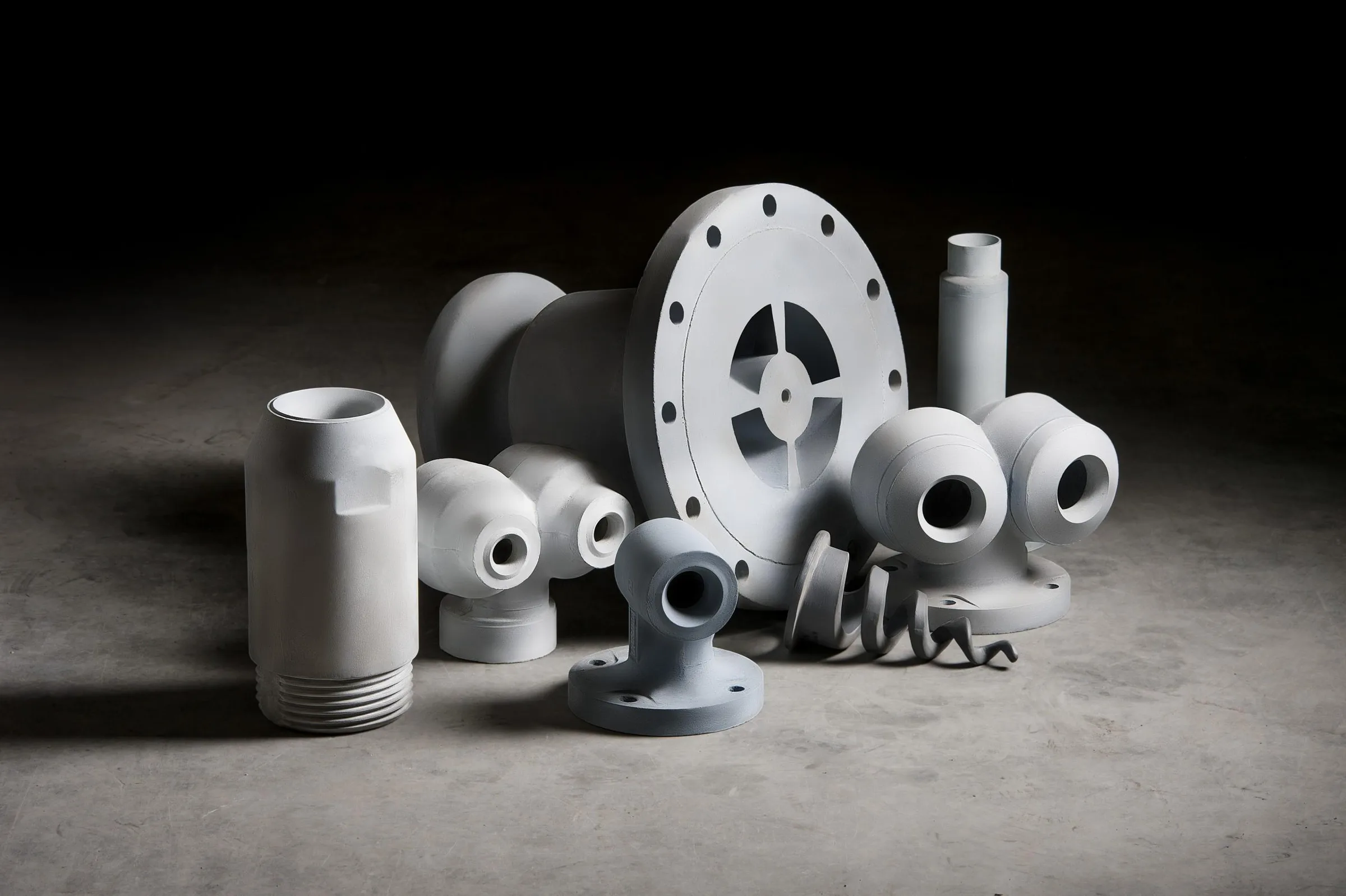
Ceramic spray nozzles and fittings on a dark background
04

Power generation

Coal and fluidized bed nozzles, lined ash lines, air heater inserts and FGD nozzles.

Power plant wear parts
Ceramic cyclone and hydrocyclone liners, cones and tubes
05

Mining and mineral processing

One piece hydrocyclone liners up to 60 in, lined slurry pipe and autoclave linings.

Mining wear parts
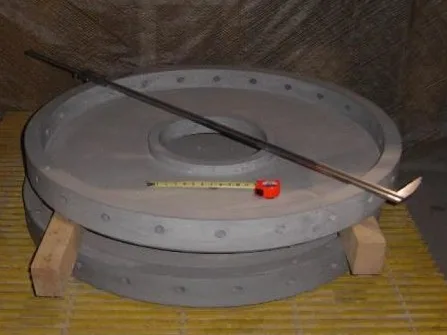
Large ceramic micronizer ring with bolt holes on a pallet
06

Heavy industrial processing

Silicon carbide parts for cement, pelletizing, TiO2 finishing, pet coke and glass plants.

Heavy industry linings
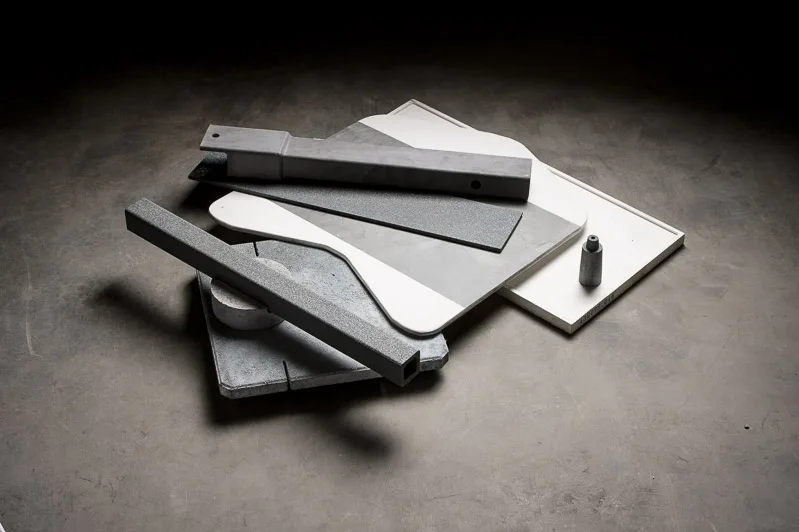
Kiln furniture plates and setters
07

Industrial process heating

Low mass kiln furniture, setters, element holders and burner parts for kilns and furnaces.

Furnace and kiln ceramics
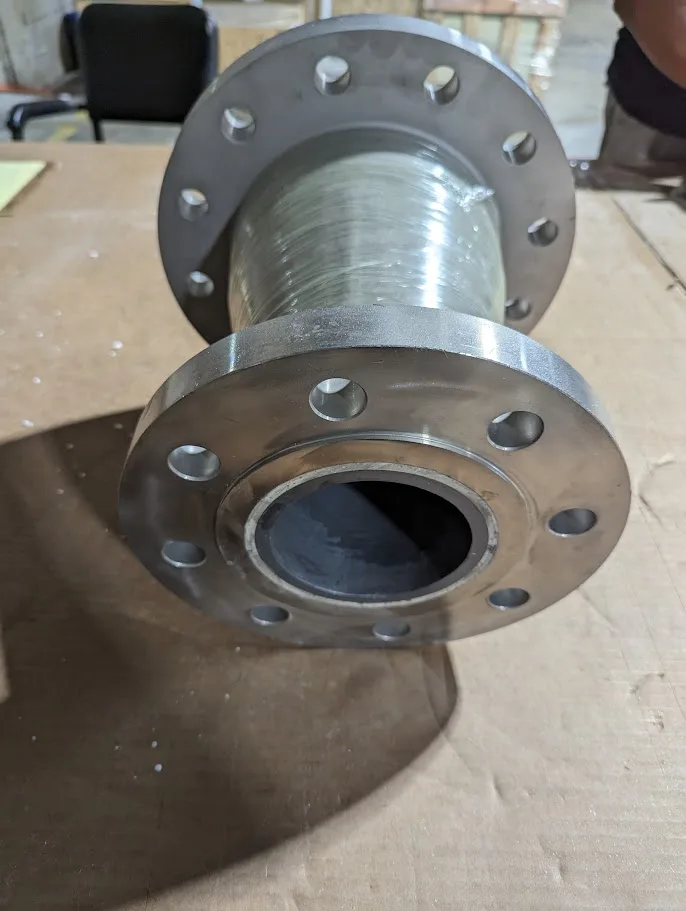
Flanged pipe spool with a ceramic liner, seen at an angle
08

Battery materials manufacturing

Saggers for cathode calcination and lined pipe for corrosive battery materials.

Battery materials

Different plants, the same problem

A reformer, a cyclone and a crucible have little in common, except that each fails in a known place, and that place can be engineered differently.

Blasch Precision Ceramics building with sign in Albany, New York

What stays the same
in every industry

The work starts from your dimensions and operating conditions, not from a catalogue or a finished drawing. An engineer chooses one of more than 15 ceramic grades and designs the part.

Where the application needs it, CFD and FEA show flow, heat and stress before anything is cast. The part is then made near net shape in Albany or by a vetted partner.

Parts are designed to drop into the existing equipment, so the outage is spent installing, not forming and curing.

How to find the right page quickly

If you know the process, start with the applications by process. If you know the failure, start with the medium that causes it.

Abrasion: particles in gas or slurry, as in ash lines, catalyst lines, cyclones and coal nozzles.

Heat and thermal shock: reformers, Claus furnaces, waste heat boiler inlets, kilns and burners.

Corrosion: acid gas, alkali, chlorine and lithium compounds in chemical, cement and battery plants.

Molten metal: crucibles, linings, launders, riser tubes and degassing parts.

Where Blasch works

Engineering and manufacturing are in Albany, New York, with a second US site in Beaufort, South Carolina. Both are certified to ISO 9001:2015. Blasch works with plant operators, licensors, EPCs and refractory contractors, and with partners such as BD Energy Systems, DuPont MECS and Allied Mineral Products.

Frequently asked

Questions about industries and parts

My industry is not listed. Can Blasch still help?

Often, yes. The same forming process and materials serve semiconductor furnaces, wire lines, building materials and other plants where heat, wear or corrosion is the problem.

Does Blasch only make standard parts?

No. Most parts are designed for one application from its dimensions and conditions, alongside product lines such as StaBlox, VectorWall, CeraLine and ProCaster.

Is Blasch a refractory installer or a coating company?

Neither. Blasch designs and manufactures ceramic and refractory components. Installation is done by your crew or your refractory contractor, and Blasch does not coat or spray.

View along the top of a precast tunnel wall on a furnace floor

Which part fails in
your plant?

Tell us the industry, the position and the failure. A Blasch engineer replies with a proposal for the material and the part.

Talk to an engineer Call