Non-ferrous and aluminum

Ceramic heating element holders
and supports for industrial furnaces

Net shape holders, insulators, hangers and supports in alumina, mullite and cordierite, cast to close tolerances.

Elements fail where they touch their supports.
The holder decides how evenly they hang and how long they last.

Ceramic heating element holders and insulators
In short

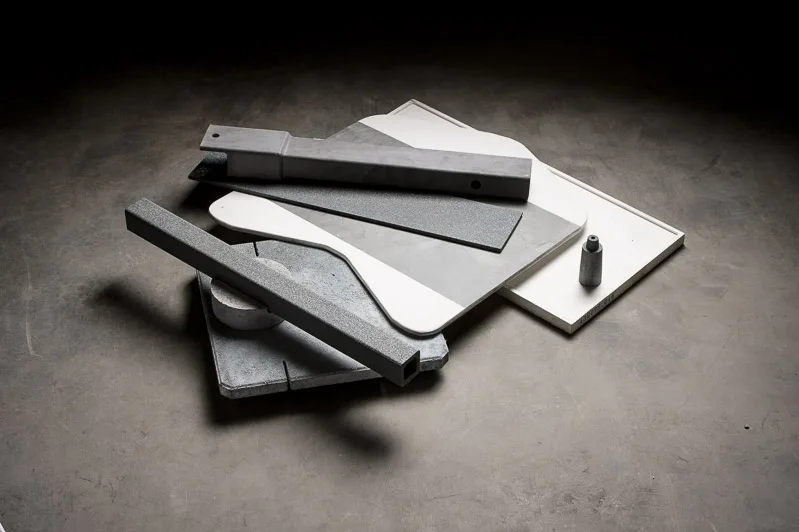
Heating elements at high temperature are supported by ceramic holders that insulate electrically, resist thermal shock and keep their shape under load: typically alumina, mullite or cordierite. Blasch casts element holders, insulators, hangers and structural supports in these materials as net shape parts with close tolerances, so every holder in a furnace is the same and the elements sit where the design puts them. Shapes are made to the furnace design, from small insulators to complete support structures.

What an element holder has to do

An element holder carries a wire, ribbon or rod element inside a furnace wall or roof. It has to hold the element in position at full temperature, insulate it from the furnace structure, and survive every heat up and cool down without cracking.

When holders vary in size, elements sag, touch each other or the wall, and develop hot spots. When a holder cracks, the element drops. Both shorten element life and make the temperature in the furnace less even.

Same holder, same furnace

A furnace heats as evenly as its elements hang, and the elements hang as evenly as their holders are alike, which is why tolerance matters as much as temperature.

Choosing the material

Material Where it fits
Alumina Highest temperatures, electrical insulation
Mullite High temperature with frequent thermal cycling
Cordierite Low thermal expansion where thermal shock dominates

Cordierite for thermal shock and mullite as a furnace ceramic are described in detail on their material pages.

Net shape, close tolerance

The Blasch process casts ceramic close to final shape, with a linear tolerance of about ±0.005 in per inch (0.5%), repeatable from part to part. Grooves, slots, holes and threads for the element are cast in, so holders need no machining and fit the same way in every position.

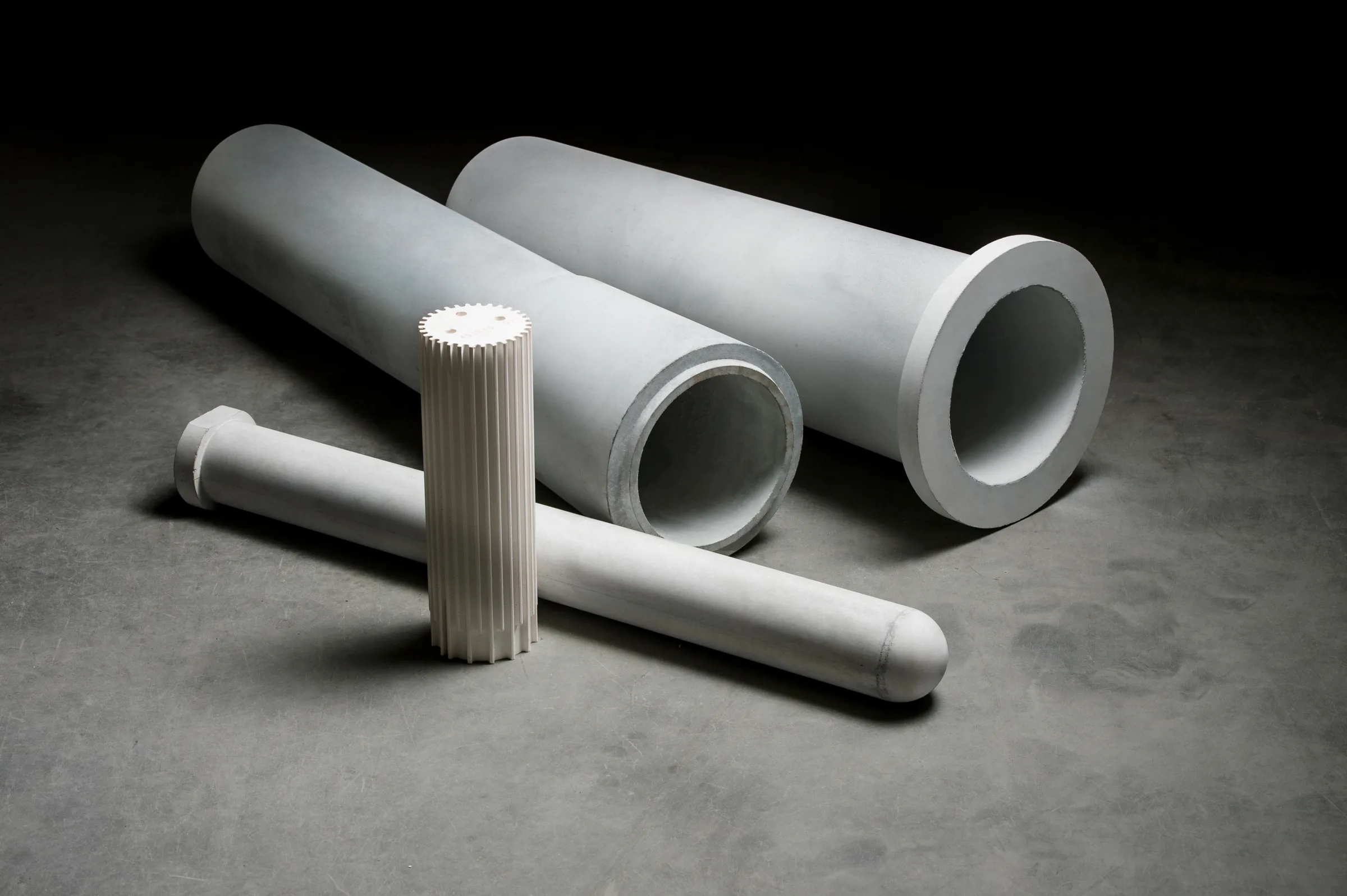
Besides element holders, the same process makes structural supports, induction furnace tubes, hangers, bricks and other furnace parts. How the Blasch casting process works

Related furnace parts

Element holders are part of the non-ferrous and aluminum group.

Kiln furniture plates and setters

Kiln furniture and pusher plates

Setters, plates and muffle liners for the parts that travel through the furnace.

Kiln furniture
Ceramic immersion heater tubes

Immersion heater tubes

Ceramic tubes that hold the element inside a metal bath instead of the furnace wall.

Heater tubes for metal
Backup ram mix next to a crucible ring

Backup ram

Ultra high alumina ram for the lining of induction furnaces.

ALRAM backup ram
Frequently asked

Questions about heating element holders

Can you make holders to fit an existing furnace?

Yes. Holders are cast to the furnace design. Dimensions or a sample of the current holder are enough to start.

Which material lasts longest in cycling?

Where thermal shock is the main load, cordierite and mullite are the usual choices. Where temperature and insulation matter most, alumina.

Do you supply the heating elements as well?

No. Blasch makes the ceramic holders, insulators and supports around the elements.

Ceramic channel lining for a furnace inductor

Elements sagging
or holders cracking?

Send the furnace design, the element type and the temperature. A Blasch engineer proposes holder shape and material.

Talk to an engineer Call