Degassing and die casting

Riser tubes for low pressure die casting
that aluminum does not wet

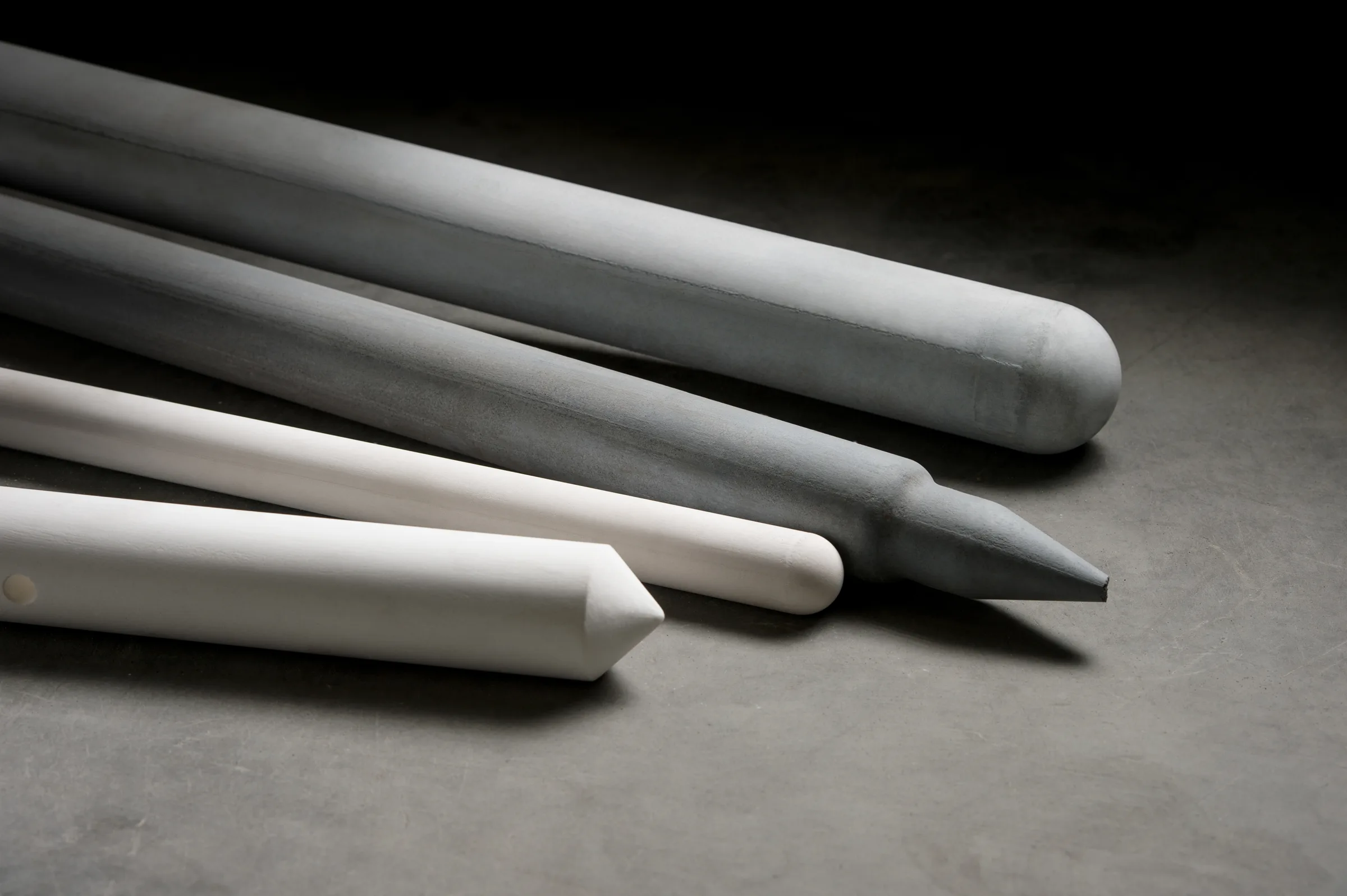
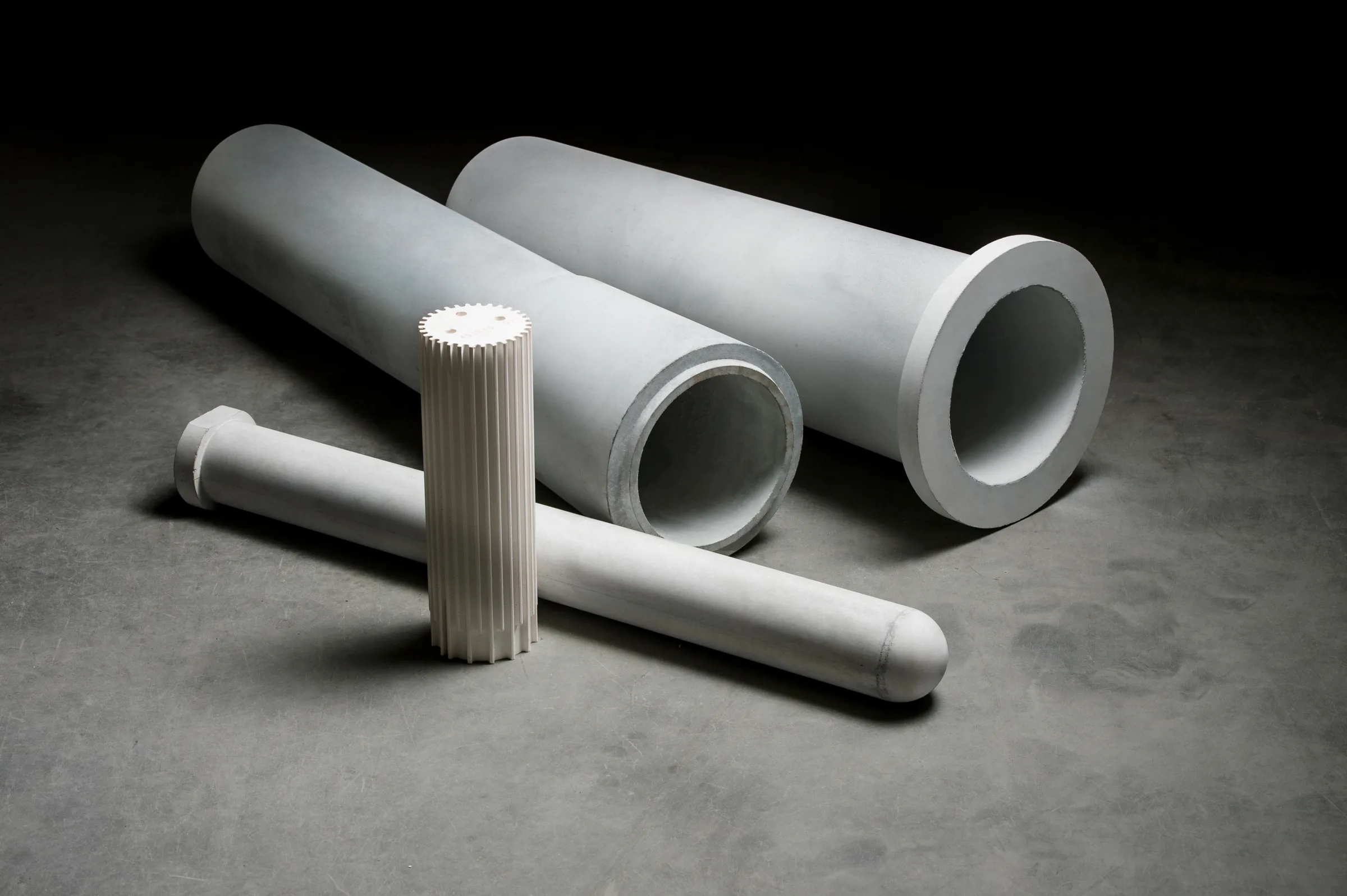
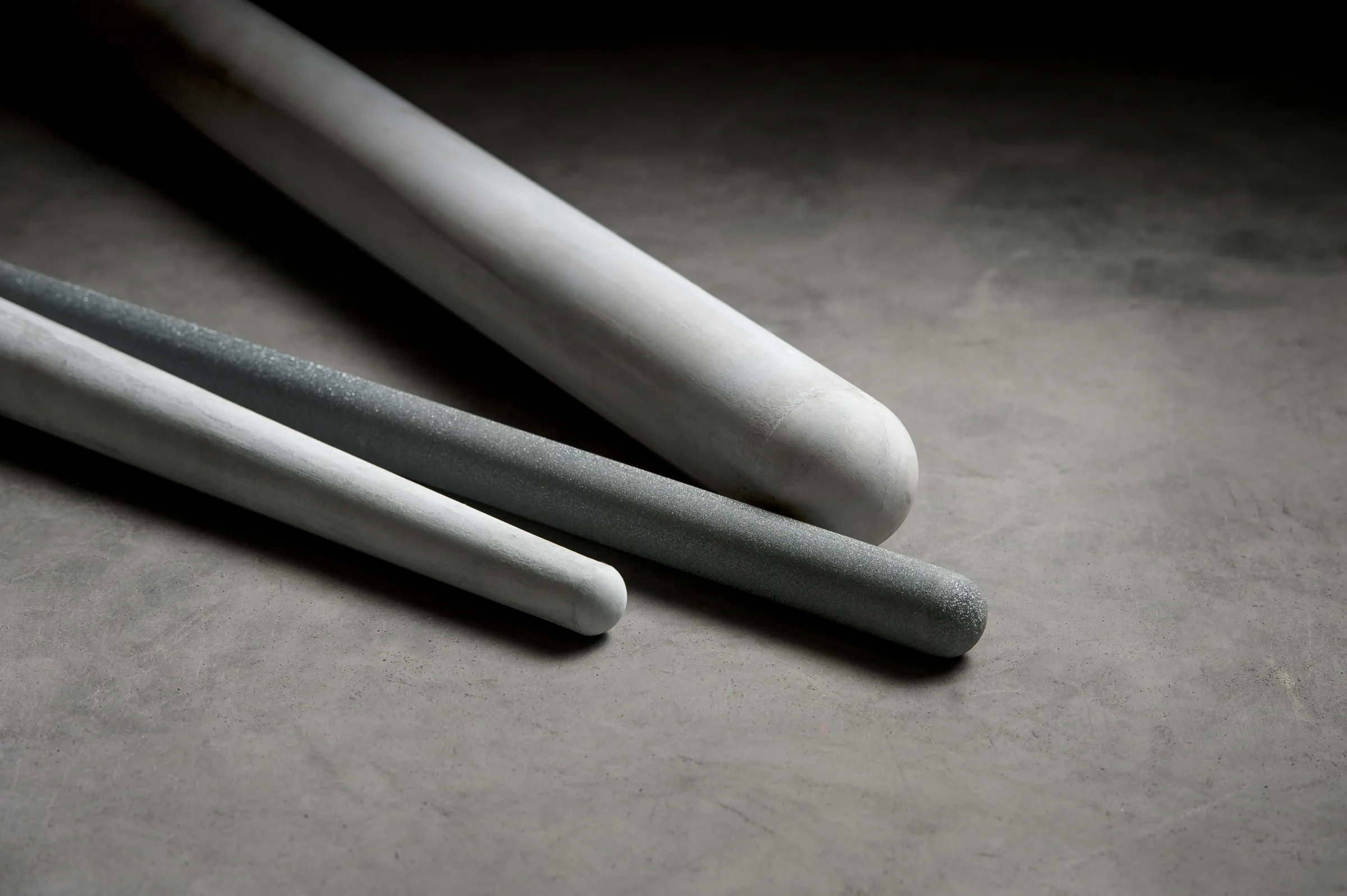
AlTech aluminum titanate riser and stalk tubes, sprue bushings and fill tubes, each tested for leaks.

Every casting cycle fills and empties the riser tube.
The tube has to stay tight, clean and in one piece.

Ceramic riser tubes for low pressure die casting
In short

For low pressure die casting of aluminum, Blasch recommends riser tubes of AlTech aluminum titanate: the material is not wetted by aluminum alloys, is gas tight, has a very low thermal expansion and takes the thermal shock of every cycle. In Blasch's applications, these tubes last considerably longer than cast iron, calcium silicate or fused silica tubes, and they avoid the freeze-offs common in iron tubes. Where a different property matters more, the same tubes are made in silicon carbide or fused silica.

What a riser tube does in low pressure die casting

In low pressure die casting, the holding furnace sits below the die and is closed and pressurized with gas. The pressure pushes molten aluminum up through the riser tube, also called a stalk tube, into the die cavity.

The casting solidifies under pressure. When the pressure is released, the metal still in the tube falls back into the furnace, and the next cycle begins.

That cycle defines what the tube must do. It is half immersed in the melt and half above it, it is filled and emptied with every casting, and it is the only path between a pressurized furnace and the die.

Iron or porous tubes
against aluminum titanate

Riser tubes are replaced because of three things: attack by the melt, leaks and cracks.

Cast iron, calcium silicate, fused silica

  • Iron is dissolved by aluminum and needs a protective wash
  • Metal freezes in iron tubes and interrupts production
  • Porous materials can let gas through when the furnace is pressurized
  • Cycling between melt and air cracks low strength tubes

AlTech aluminum titanate

  • Not wetted by aluminum alloys, so metal does not build up
  • Fewer freeze-offs, which keeps the cell casting
  • Gas tight, and every tube is leak-down tested before shipping
  • Very low thermal expansion for the fill and empty cycle

The tube in the cycle

A riser tube is filled and emptied with every casting, so it lasts as long as it resists the swing between melt and air, not as long as it resists the melt alone.

Materials, assemblies and custom tubes

Material Why you would choose it
AlTech aluminum titanate Non-wetting, gas tight, very low thermal expansion, thermal shock resistance
Silicon carbide (Blasch XD) Higher thermal conductivity where the tube is heated
Fused silica Low thermal expansion at lower cost

Every riser and stalk tube is 100% leak-down tested. Tubes can be supplied with gaskets and ceramic foam filters as complete assemblies, ready to install.

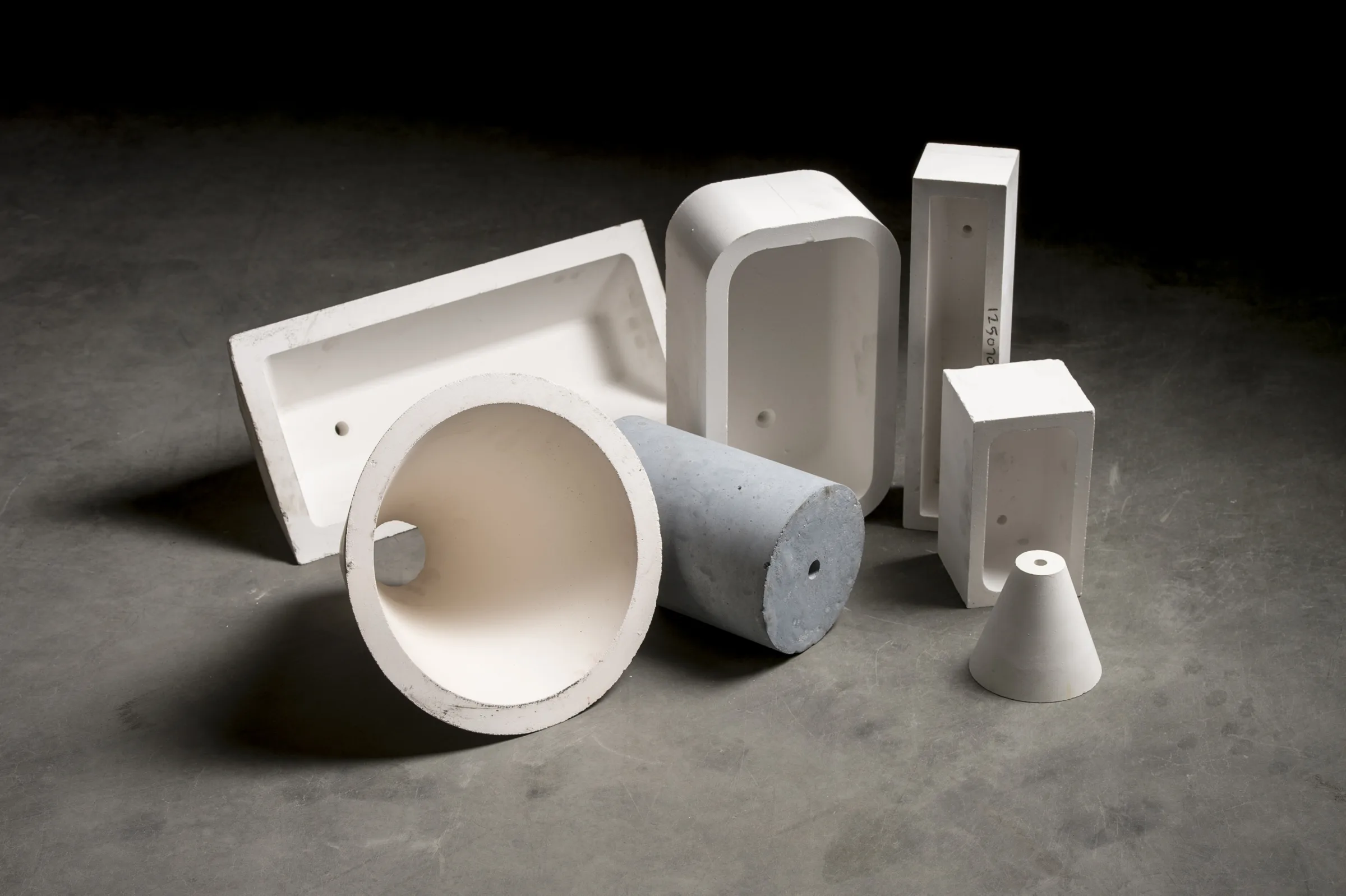
The same aluminum titanate is used for sprue bushings, fill tubes, breaking spouts, thimbles and dosing tubes. Custom tubes are made to your furnace and die dimensions.

Aluminum titanate as a material

Other parts in the low pressure cell

Riser tubes belong to the degassing and die casting group.

Ceramic stopper rods and metering pins

Stopper rods and metering pins

Rods and pins that control flow in dosing and bottom pour systems.

Stopper rods for metal flow control
Ceramic immersion heater tubes

Immersion heater tubes

Non-wetting tubes that keep the holding furnace at temperature from inside the melt.

Immersion heater tubes for aluminum
Ceramic thermocouple protection tubes

Thermocouple tubes

Protection tubes for the temperature reading in the holding furnace.

Thermocouple protection tubes
Frequently asked

Questions about riser tubes

What is the difference between a riser tube and a stalk tube?

Both names describe the same part: the tube that carries molten metal from the pressurized holding furnace up into the die.

Why does a riser tube need to be gas tight?

The furnace is pressurized to push the metal up. A tube that lets gas through loses pressure and can bring gas into the metal.

Are the tubes tested before delivery?

Yes. Every riser and stalk tube is leak-down tested, 100% of production.

Can you supply the tube with gasket and filter?

Yes. Tubes are available with gaskets and ceramic foam filters as complete assemblies.

Ceramic launders, snouts and tundishes

Riser tubes that freeze
or crack too often?

Send the tube dimensions, the alloy and how long your current tubes last. A Blasch engineer proposes the material and the assembly.

Talk to an engineer Call