Nozzles

Coal nozzle tips
for corner fired and wall fired boilers

Silicon carbide tips, linings and burner parts where pulverized coal and furnace heat wear out cast alloy.

The coal nozzle tip sits between the coal pipe and the fireball.
It is worn from the inside and heated from the outside.

Ceramic coal nozzle with flanged frame
In short

In corner fired boilers, coal nozzle tips last longest where the surfaces that the coal and air stream hits are made of an abrasion resistant ceramic that also takes the radiant heat of the furnace, such as ALTRON alumina bonded or NITRON nitride bonded silicon carbide. Blasch casts coal nozzle tips, nozzle linings, splitter plates and related burner parts in these grades as replacements for cast and fabricated alloy parts. The goal is a tip that lasts from one planned outage to the next instead of being patched in between.

Why coal nozzle tips wear out

Abrasion from inside: pulverized coal and primary air leave the nozzle at high velocity. Splitter plates, vanes and the tip walls take the impact and wear thin first where the flow turns.

Heat from outside: the tip faces the furnace. Alloy tips oxidize, warp and crack when they overheat, especially when coal flow is low or a burner is out of service.

Uneven flow: a worn splitter or a roped coal stream changes the mix of coal and air at the outlet. The flame shifts, and with it the heat on the tip and on the waterwalls nearby.

Wear you plan for

When the coal nozzle tip lasts as long as the boiler campaign, the burner front stops being the reason for an extra outage between planned ones.

Coal burner parts from Blasch

The coal path to the flame has several wear points, and each can be cast as a ceramic part.

Coal nozzle tips

Tips and tip inserts that face the furnace, cast in silicon carbide grades for heat and abrasion.

Nozzle linings and splitter plates

Linings, splitter plates, anti-roping elements and fuel heads inside the nozzle, where the coal stream turns and divides.

Coal pipe elbows

Ceramic lined elbows upstream of the burner, where pulverized coal erodes steel bends fastest.

Ceramic lined elbows

Grades for coal nozzles

ALTRON and NITRON carry most coal nozzle parts: both resist abrasion far better than metal components and take the temperature swings at the burner front. InVinCer reaction bonded and OXYTRON oxide bonded silicon carbide complete the range for dense wear faces and oxidizing service. ALTRON alumina bonded silicon carbide

Made to the existing burner

Coal nozzle parts are cast to the dimensions of the existing tip or lining, with the attachment of the original. Plant builders use the shape freedom of the casting process for new burner designs, and operators use it to replace a worn part without changing the burner.

The rest of the coal path

Coal and ash wear out more than the burner: transfer linings, mill discharge valves, pulverizer and exhauster parts, ash valves and outlets are cast in the same grades. Blasch engineers have written about the choice between ceramics and metals in erosive service. Ceramics against erosion

Fluidized bed boilers and flue gas scrubbers have nozzles of their own, which Blasch casts for the same plants. Fluidized bed nozzles

Frequently asked

Questions about coal nozzle tips

Can ceramic tips replace our cast alloy coal nozzle tips?

Yes. The ceramic part is cast to the dimensions and attachment of the existing tip or insert, so the burner stays unchanged.

Which parts of a coal burner wear first?

Usually the splitter plates and the surfaces where the coal stream turns, then the tip that faces the furnace.

Do you make parts for corner fired boilers?

Yes. Tips and the wear parts inside corner fired coal nozzles are a large part of the coal burner range.

What do you need for a quote?

The dimensions of the current tip or a worn sample, the coal type and the operating conditions. A drawing is not required.

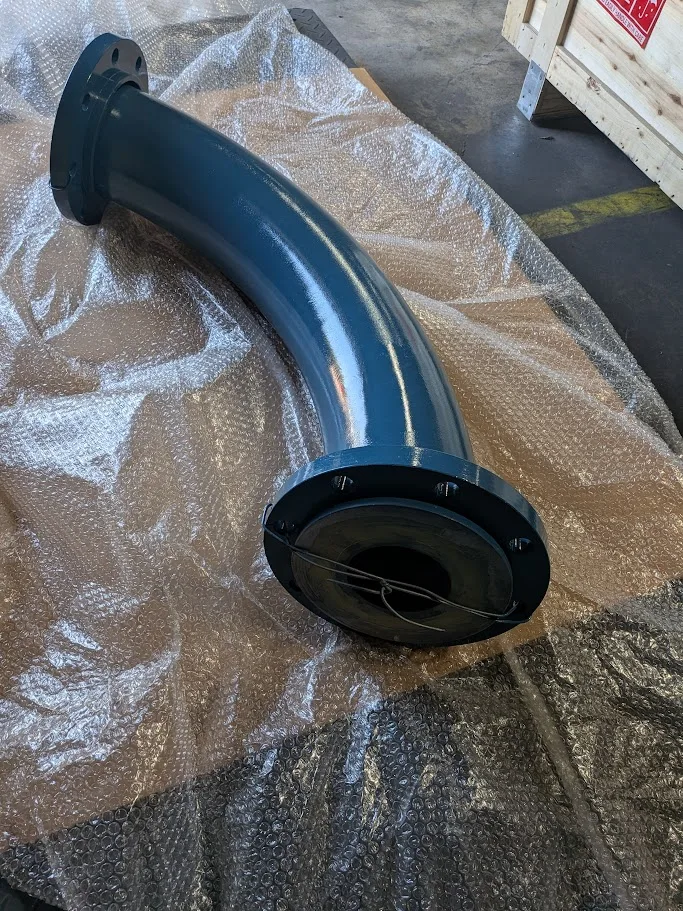
Long radius ceramic lined bend wrapped for shipping

Coal nozzle tips worn
before the outage?

Send the burner type, the tip dimensions and a photo of the worn part. A Blasch engineer proposes the grade and the design.

Talk to an engineer Call