Technical library

Maximizing SMR performance
with better temperature control

Why the flue gas tunnels set the temperature pattern of a top-fired reformer, and what changes when they draw evenly.

Burners set the heat, tunnels set where it goes.
Better temperature control starts at the furnace floor.

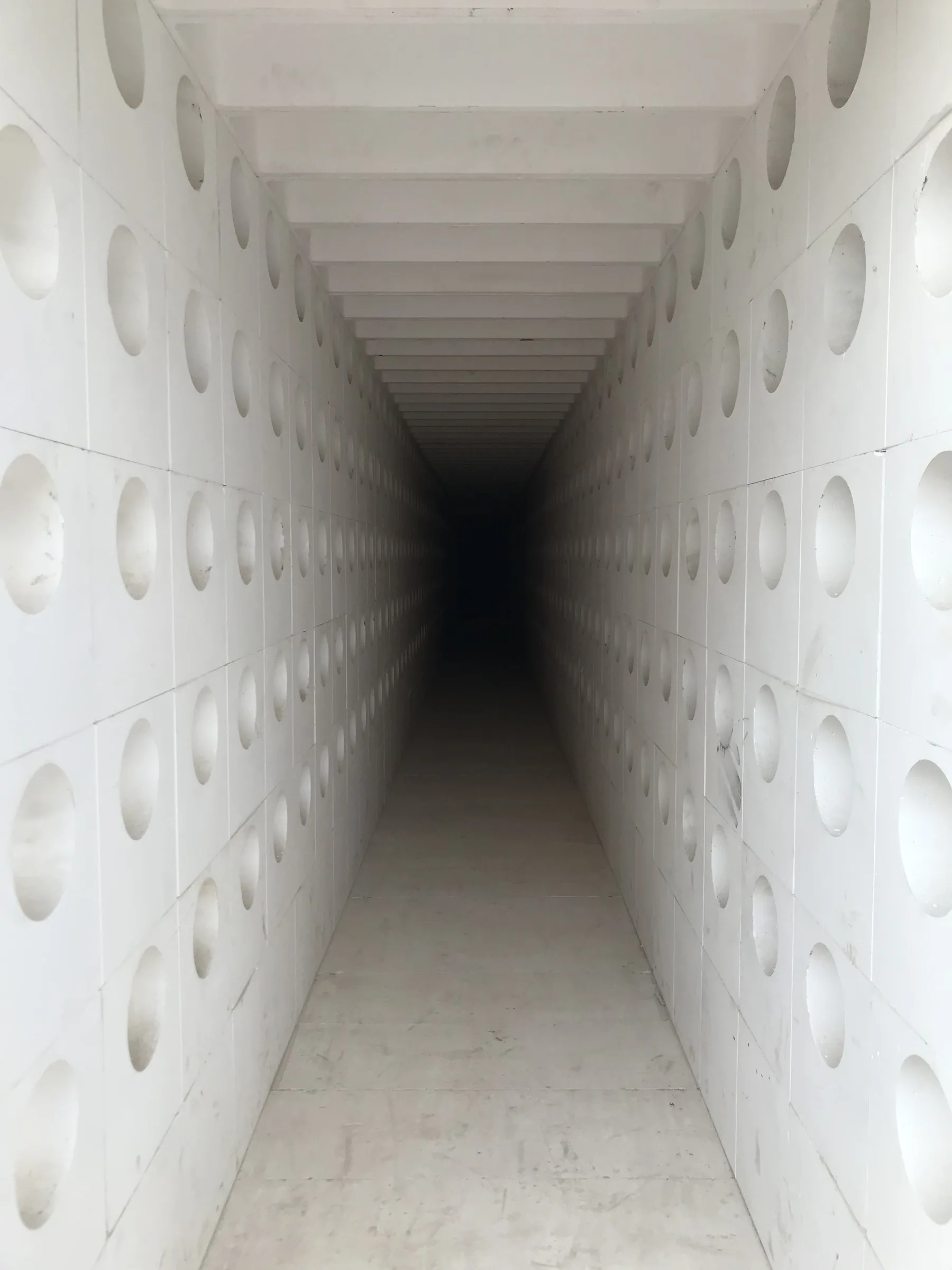
View along the top of a precast tunnel wall
In short

Better temperature control in a top-fired steam methane reformer comes from drawing the flue gas evenly into the floor tunnels, so every catalyst tube sees similar convective heating. Conventional brick tunnels cannot do that because of their fixed opening size, buttresses and expansion joints. Tunnels with an opening in every block, each sized for its position, narrow the spread of tube metal temperatures and let operators run closer to the design outlet temperature.

About this resource

Format Technical presentation by Blasch Precision Ceramics with BD Energy Systems
Topic Flue gas tunnel design and catalyst tube temperature uniformity
Related article World Fertilizer, early 2020, operating data after a tunnel replacement

Where temperature control gets lost

Burner adjustment can only do so much when the flue gas path below the tubes is uneven. In a brick tunnel all openings are the same size, so the open area changes in steps from one stretch of wall to the next. Buttresses and expansion joints leave stretches without openings at all.

The gas finds its way around these gaps by flowing sideways near the bottom of the tubes, where tube metal temperatures are highest anyway. The result is a furnace with some tubes running hot and others running below their design heat duty.

The limit you run to

Operators do not run a reformer to its average tube, they run it to its hottest one, and the tunnels decide how far that tube sits from the rest.

What changes with evenly drawing tunnels

When each opening carries an insert with a bore chosen from a model of the furnace, open area can fall gradually along the tunnel and from bottom to top. Without buttresses, the tunnel can be wider inside for the same footprint, which lowers the pressure drop.

In the plant data published in 2020, the tube metal temperature spread of an ammonia reformer was roughly halved after the tunnels were replaced, and the plant converted that margin into lower methane slip and higher output. The figures and the measurement period are summarized in a new kind of tunnel vision, and the plant is written up as the tube temperature case study.

What it means for your reformer

If your burner trim list keeps growing and the same tubes keep showing up hot in the survey, look at the tunnels. The StaBlox flue gas tunnel system is built for this, and inserts can be swapped later if the firing pattern changes.

Frequently asked

Questions about temperature control in reformers

Why can burner tuning not fix uneven tube temperatures?

Burners set how much heat is released. Where the flue gas then flows is set by the tunnels at the furnace floor, and uneven tunnel openings send it unevenly past the tubes.

What does a narrower temperature spread allow?

With the hottest tube further from its limit, the outlet temperature can be raised. In the published plant data, that lowered methane slip and raised production.

Do the tunnels need to be rebuilt to change the flow pattern later?

Not with replaceable orifice inserts. Only the inserts are changed.

Inside a finished precast flue gas tunnel with rows of round side openings

Chasing hot tubes
every survey?

Share the last two tube surveys. A Blasch engineer can tell you whether the hot spots follow your tunnel openings.

Talk to an engineer Call