Videos

Webinar: hydrogen production to sulphur recovery,
ceramics in both units

A recorded DigitalRefining webinar on precast tunnels for reformers and mixing checkerwalls for Claus furnaces.

More hydrogen in, more sulfur out.
Two furnaces at opposite ends of the refinery share the same weakness.

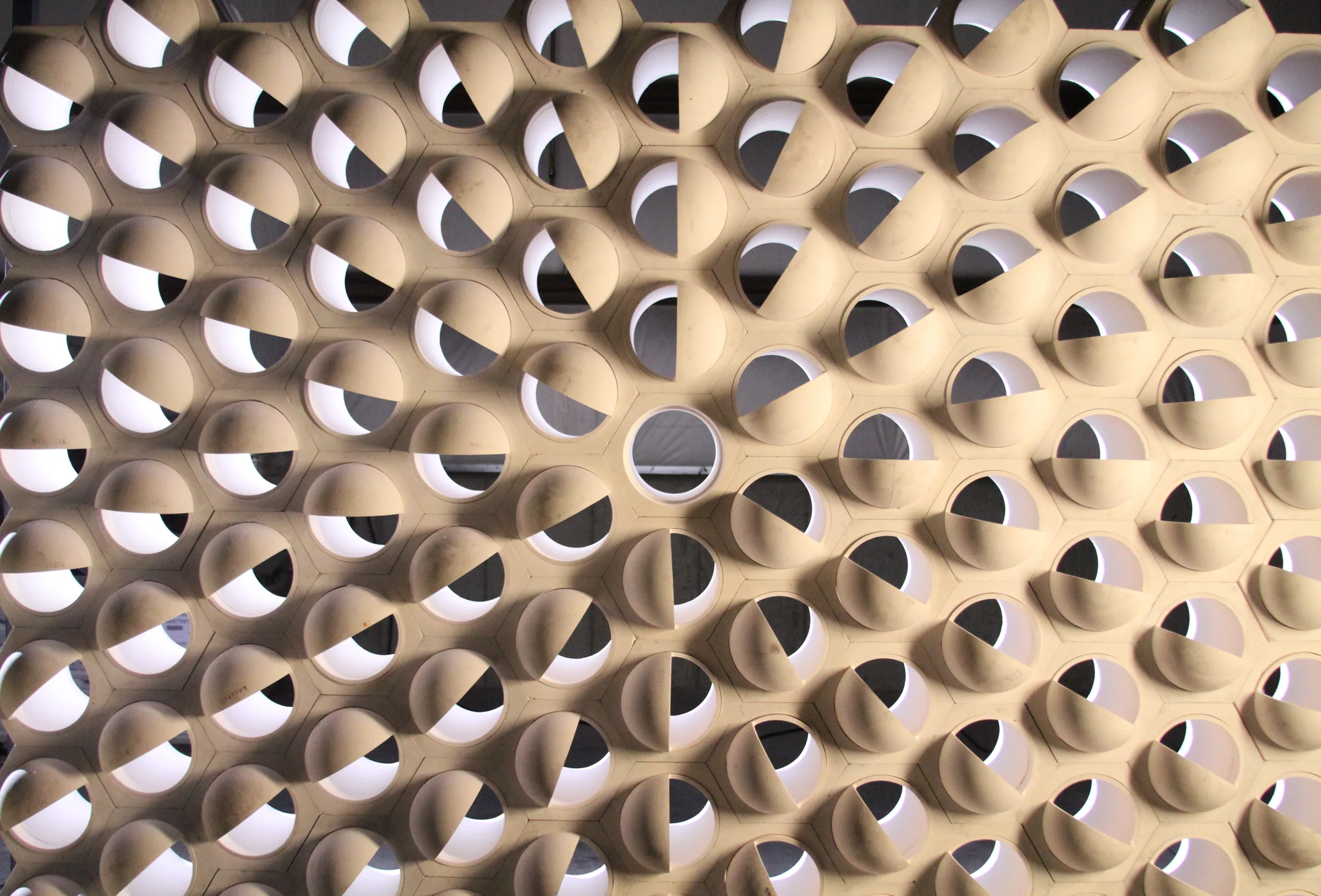
Checkerwall with angled openings for a sulfur recovery furnace
In short

In this webinar, recorded with DigitalRefining, Blasch Senior Global Director Uday Parekh explains how two precast ceramic systems improve reliability in hydrogen plants and sulfur recovery units: StaBlox flue gas tunnels in top-fired steam methane reformers and VectorWall mixing checkerwalls in Claus reaction furnaces. Both replace brick and mortar structures that crack, with mortar free parts designed for the flow in the furnace.

What the webinar covers

Refineries need more hydrogen as they treat heavier and more sour crude, and every extra unit of sulfur removed has to go through the sulfur recovery unit. The webinar follows that chain from the reformer, where hydrogen is made, to the Claus furnace, where hydrogen sulfide is turned into sulfur.

At the reformer end: brick flue gas tunnels on the floor of a top-fired reformer crack, snake and collapse, and uneven openings heat the catalyst tubes unevenly. StaBlox tunnels are stacked from interlocking blocks without mortar, with orifice inserts sized for each position in the furnace.

At the sulfur end: a checkerwall in the Claus reaction furnace has to survive the campaign and give the gas enough time at temperature. The VectorWall is a mortar free HexWall with angled hoods that set the gas into rotation, for a longer path and a narrower residence time distribution.

Numbers from the published work

  • In a CFD study by Porter McGuffie Inc. of a refinery SRU in Asia, 22.5% of the flow with a choke ring did not reach the residence time above 1,250 °C needed to destroy ammonia. With a VectorWall the whole flow from zone 1 did, at about 900 Pa lower pressure drop.
  • For a gas plant SRU of 500 t/d with lean feed, where fuel gas is co-fired to destroy BTEX, a conservative estimate gives more than 250,000 dollars of energy savings per year at 3 dollars per million Btu.

The common cause

The reformer tunnel and the Claus checkerwall fail for the same reason, a mortared wall that cannot move with the heat, so the same answer works at both ends of the refinery.

Close view of angled tiles set into a ceramic checkerwall

What you take away

If the reformer and the SRU are both on your turnaround list, the webinar gives you one argument for both: replace mortared structures with precast parts that are designed for the flow, not just for staying upright.

Details are on the pages for the VectorWall mixing checkerwall and the StaBlox reformer tunnels. The webinar is also listed in the library as Let ceramics pave the way, and the plants it concerns are described under refining and chemical processing.

Frequently asked

Questions about the webinar

Who presents the webinar?

Uday Parekh, Senior Global Director at Blasch Precision Ceramics, in a webinar series run with DigitalRefining.

Does a VectorWall raise the pressure drop?

In the CFD study cited, the pressure drop with VectorWall was about 900 Pa lower than with the choke ring it replaced.

Can both systems go into existing furnaces?

Yes. Both are built from precast parts for revamps and repairs. A single StaBlox tunnel can replace one failed brick tunnel.

Full checkerwall with angled openings

Reformer or Claus furnace
on your list?

Describe what fails or limits the unit today. A Blasch engineer looks at tunnels, checkerwall or both.

Talk to an engineer Call