Technical Library

Improving the SRU thermal incinerator:
mixing, fuel gas and wall life

Why tail gas incinerators burn more fuel than they should, and what a mixing checkerwall changed in one Claus SRU.

An incinerator that mixes poorly
pays for it in fuel gas and excess oxygen.

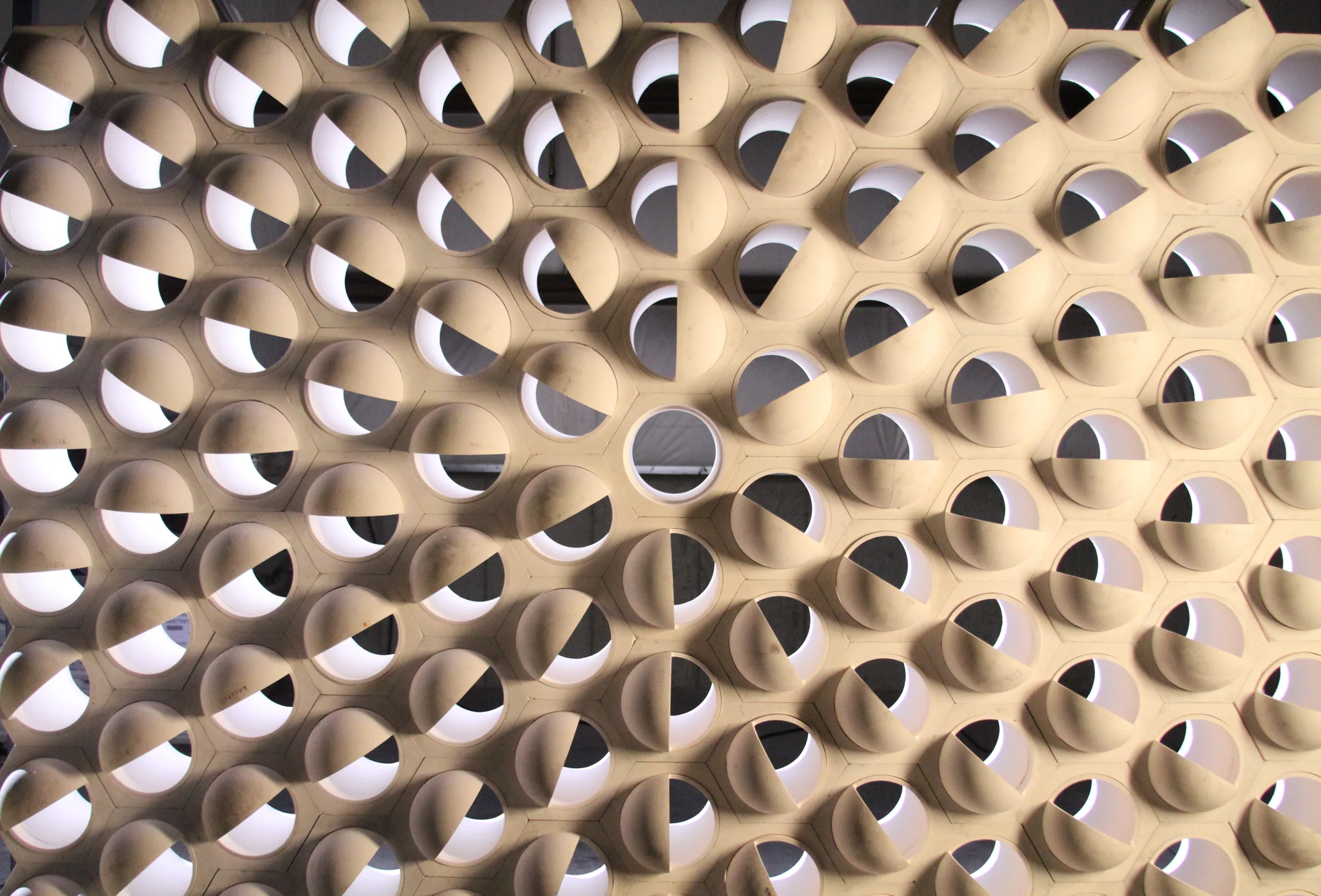
Checkerwall with angled openings installed in a furnace
In short

This article by Uday N. Parekh of Blasch looks at the efficiency and environmental performance of the thermal incinerator behind a sulfur recovery unit. Complete combustion of the tail gas depends on temperature, residence time and turbulence. When the incinerator mixes poorly, operators compensate with more fuel gas and more excess oxygen. A published US case shows what a mixing checkerwall changed: almost 50% less fuel gas and nearly no sulfur carryover.

About this paper

  • Author: Uday N. Parekh, Blasch Precision Ceramics
  • Topic: efficiency and environmental performance of the SRU thermal incinerator
  • Full text: available on request; the article itself was not available to us, so the case data on this page come from a separate published case study in Hydrocarbon Engineering (2015)

Fuel gas buys what the wall does not

Every extra unit of fuel gas and oxygen in the incinerator pays for mixing that the combustion chamber is not providing.

Checkerwall with angled openings for a sulfur recovery furnace

Why incinerators underperform

The incinerator oxidizes the remaining sulfur compounds in the Claus tail gas before it goes to the stack. Feed volume swings with the refinery, and at low flow a conventional checkerwall often does not create enough turbulence for complete combustion.

The result, as the case study lists it: elemental sulfur leaving the incinerator and depositing downstream, soot during upsets, higher excess oxygen, more fuel gas, and a low shell temperature that lets acid condense and corrode the casing. Brick checkerwalls in this service also fail mechanically.

The published case

A US Mid-Continent operator of Claus sulfur recovery for several refineries had both problems in one incinerator: a highly variable feed and repeated mechanical failures of the brick checkerwall. The plant already used Blasch hex head ferrules at the Claus burner and the incinerator. During the 2009 turnaround, the old wall was replaced by a VectorWall built from interlocking hex blocks with deflector tiles to increase mixing.

Results reported by the operator:

  • Fuel gas use cut by almost 50%
  • Sulfur carryover almost eliminated, no more residual sulfur downstream
  • Excess oxygen reduced by 2%
  • Shell temperature above 500 °F, which ends sulfuric acid condensation
  • No cracks or deterioration of the wall after five years of service

The case is described in full under VectorWall in a Claus SRU incinerator.

What this means for your incinerator

If you run the incinerator hot and rich in oxygen to be safe, mixing is the place to look. The VectorWall mixing checkerwall is set in the combustion chamber, and the tail gas incinerator page covers the unit as a whole.

Frequently asked

Questions about this paper

Why does poor mixing raise fuel gas use?

Operators fire more fuel gas and add excess oxygen to make sure combustion is complete when the chamber itself does not mix the gas well.

Does the wall have to be replaced often?

In the published case, inspections showed no cracks or deterioration after five years in service.

Can the wall go into an existing incinerator?

Yes. In the case above it replaced the old checkerwall during a scheduled turnaround.

Close view of angled ceramic tiles in the openings of a checkerwall

Incinerator running
on extra fuel gas?

Send the incinerator dimensions, the feed range and today's fuel gas and oxygen. A Blasch engineer looks at the combustion chamber.

Talk to an engineer Call