Videos

Ceramic ferrule installation:
a tubesheet fitted in hours, not days

How ceramic ferrules go into a waste heat boiler tubesheet, row by row, without castable between them.

No anchors, no forms, no castable between the heads.
The ferrules go in by hand and lock into a closed hot face.

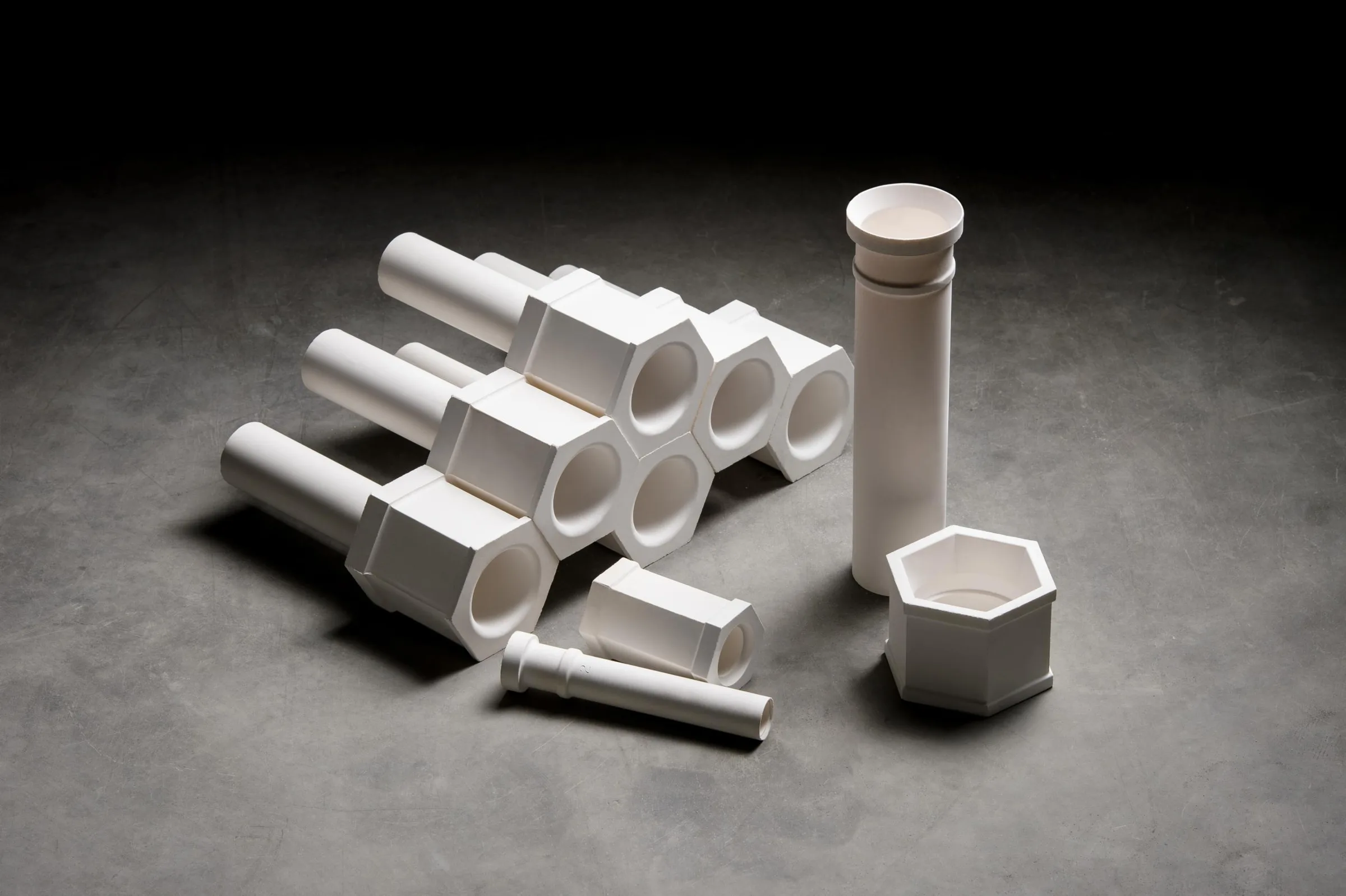
Hex head ceramic ferrules and tube shapes
In short

The ceramic ferrule installation video shows how quickly Blasch ferrules are fitted into the tubesheet of a waste heat boiler. The ferrules arrive fired, with their fiber wraps and gaskets, and go into the tubes from the bottom row to the top; castable is placed only in a narrow ring around the edge of the tubesheet, so there are no anchors to weld and no long cure between the ferrules.

What the video shows

The installer wraps each ferrule stem with its fiber, slides it into the tube and seats the head against the tubesheet with its gasket. Row by row the hexagonal heads close into one hot face. At the edge of the tubesheet, a narrow ring of castable fills the gap to the boiler shell.

Why it goes faster

A conventional tubesheet uses round ferrules set in castable with metal anchors. The castable has to be formed, placed and cured, and its quality depends on the crew. Hex head ferrules form the hot face themselves. Each ferrule floats in its own tube, is affected by at most six neighbors, and is never mortared to them.

Installation times from the field

  • At a US refinery Claus unit, the first hex head ferrule installation in 1996 took half a shift instead of two days, saving 2.5 to 3 days in each shutdown.
  • At a sulfuric acid plant in Australia, a waste heat boiler with 859 tubes was retubed in a three week shutdown, with ferrule installation 67% shorter than with round ferrules.

What leaves the critical path

The time saved is not in setting the ferrules but in everything that no longer happens between them: no anchors, no forming, no castable, no waiting for it to cure.

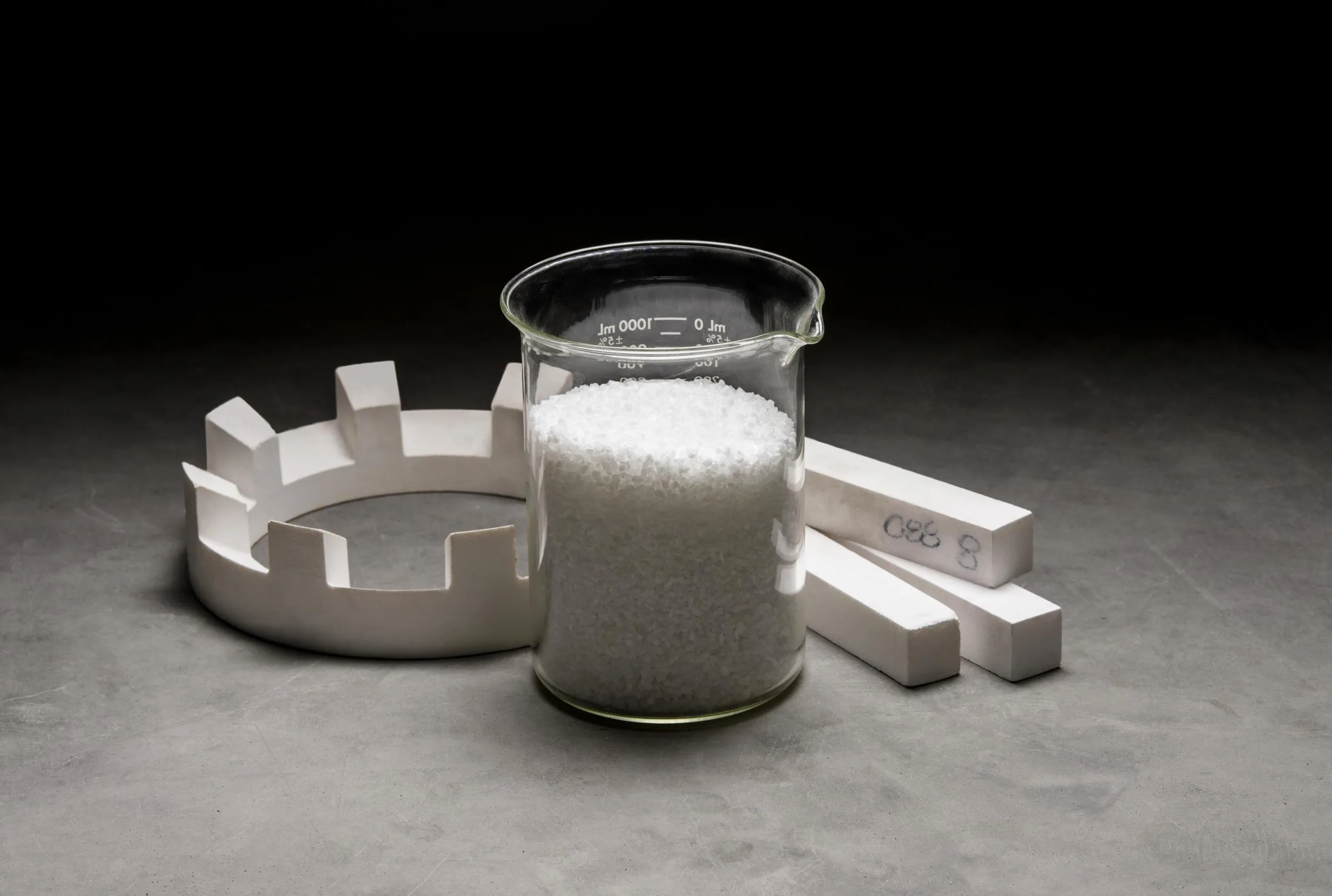
White alumina parts and alumina powder in a glass beaker

What you take away

If your boiler retubing or tubesheet repair sits on the critical path of a turnaround, the video shows where the hours go. Before ordering, a Blasch engineer needs the tube outside diameter, material and wall thickness, the pitch, the tolerances of the tube centers, operating and peak temperatures, the gas composition, the tube to tubesheet weld and the tubesheet thickness.

The designs are described on the page for one and two piece ceramic ferrules. The locking two piece version is shown in the ProLok twist lock video, and all designs are grouped under ferrules for waste heat boilers.

Frequently asked

Questions about ferrule installation

Is castable needed between the ferrules?

No. Hex heads close into a hot face by themselves. Castable is used only in a narrow ring at the edge of the tubesheet.

Can single ferrules be pulled for inspection?

Yes. Each ferrule floats in its own tube and can be pulled and reset by hand, because nothing bonds it to its neighbors.

Do I need drawings to order ferrules?

No. The tube and tubesheet dimensions and the operating conditions are enough for a Blasch engineer to design the ferrule.

Hex head ceramic ferrules and tube shapes

Retubing a waste heat boiler
in the next turnaround?

Send the tube and tubesheet dimensions and the operating conditions. A Blasch engineer designs the ferrules and the installation sequence.

Talk to an engineer Call